
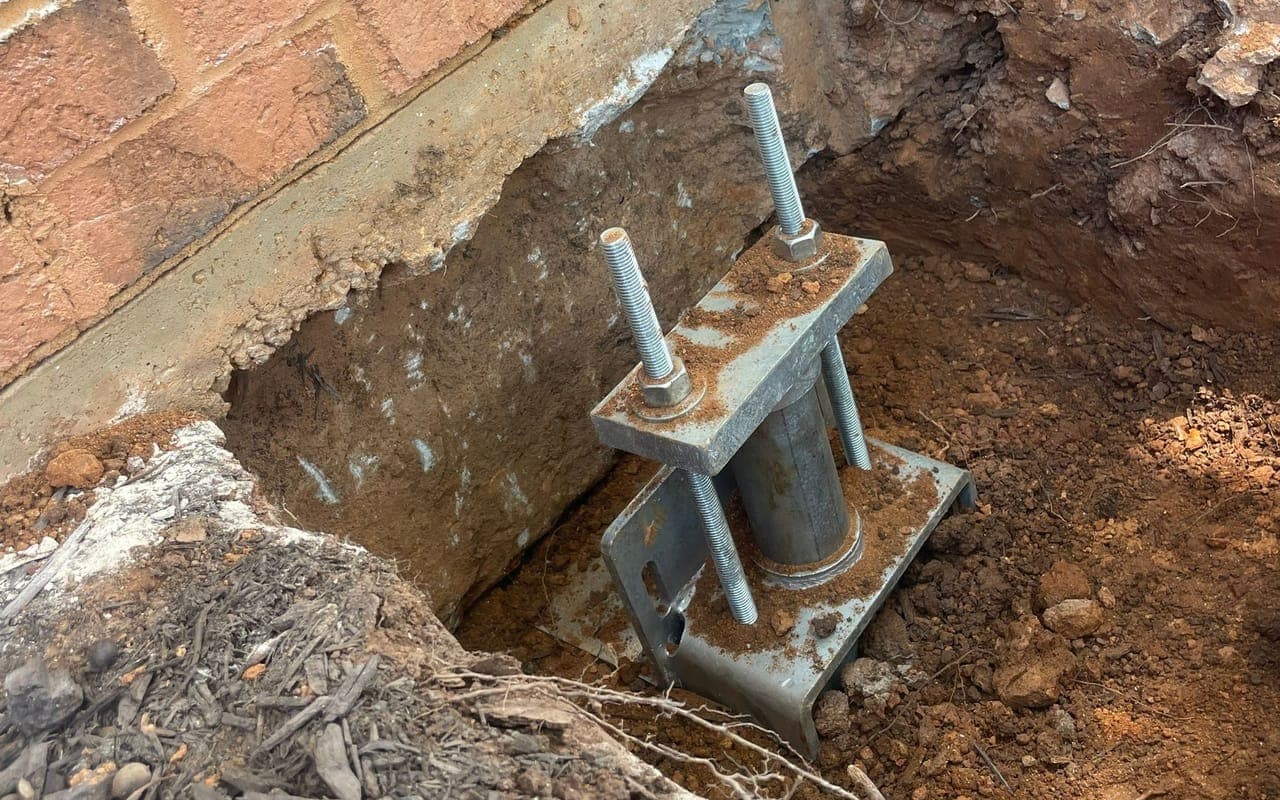
Chapter 01
Why Do Foundations Move in the Carolinas?
A foundation rests on soil. When the soil under it changes, the foundation can move with it. Across North and South Carolina, what the soil does depends a great deal on where you live.
Piedmont Clay Swells and Shrinks
In the Piedmont, including Charlotte, Gastonia, Huntersville, Matthews, Greensboro and the Triangle, clay rich soils absorb moisture during wet seasons and contract during dry periods. That cycle can put changing pressure on a foundation, and not always evenly. Around Greenville and Columbia in South Carolina, Piedmont and foothill clay, plus heat and humidity, add their own moisture load.
Mountain Homes Deal With Slopes and Runoff
Around Asheville, many homes sit on hillsides. Slopes, runoff and heavy mountain rainfall move water and soil downhill, which can press on foundations from the side.
Coastal Soils Hold More Water
In Wilmington, Leland and Brunswick County, a high water table and sandy, saturated soils shape how foundations fail. Erosion and sideways water pressure are common drivers there, which is different from inland clay.
Sandhills Soils Drain Differently
Around Fayetteville and Pinehurst, sandy soils drain and shift differently from Piedmont clay, so the signs and the causes can differ too.
Water Plays a Part Almost Everywhere
Rain, water that collects next to the house, and leaks all change how much water is in the soil around a foundation. That is why the checklist in the next chapter includes the outside of your home.
Chapter 02
The Room by Room Checklist
Walk your home with this list. Check off what you see, write down where it is and when you noticed it, and take a photo. Those notes are useful at an inspection, whatever the cause turns out to be.
A Sign Is Not a Diagnosis
The same crack or sticking door can have more than one cause. Use this list as notes for a conversation with an inspector, not as a verdict on your home.
What to Write Down for Each Sign
- Where it is. The room, the wall, and whether it is inside or outside.
- What you see. The direction of a crack, which door sticks, which way a floor slopes.
- When you first noticed it. A rough date is fine.
- Whether it has changed. Longer, wider, or new since you last looked.
- A photo. Put a coin or a tape measure beside a crack so the size is clear.
Chapter 03
What Can a Sign Tell You, and What Can’t It?
A sign tells you that something may have moved. On its own, it does not tell you why, or how far the movement goes.
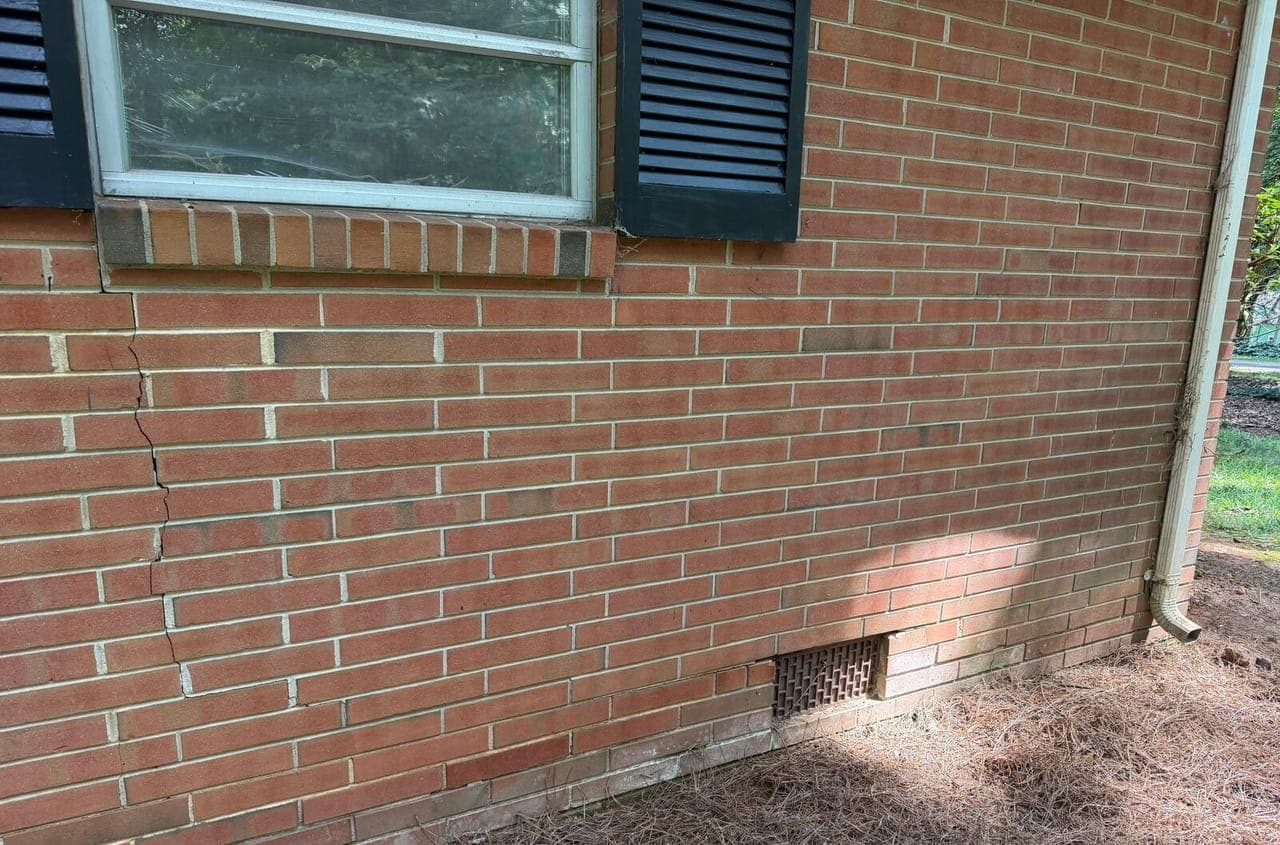
Different causes can leave similar marks on a home. A few of the common ones:
- Settlement. The soil under part of the home can compress or wash out, and that part of the home may drop. Read more about foundation settlement.
- Expansive soil. Clay that swells when it is wet and shrinks when it dries can push and pull on a foundation. Read more about expansive soil.
- Water. Water that collects against the foundation, or a leak, can soften the soil in one area.
- Sideways pressure. Soil and water behind a basement or foundation wall can push it inward. Read more about bowing walls.
- The floor framing. Under a home with a crawl space, beams, joists and supports can sag or decay, apart from the foundation itself.
Telling these apart takes a look at the whole home, inside and out, not a close look at one crack. That is what the free inspection in the next chapter is for.
Chapter 04
What Happens at a Free Foundation Inspection?
A free inspection is where your notes turn into answers. There is no cost and no obligation.
- 1
Schedule Your Free Inspection
Call or fill out our quick online form. We’ll book a convenient time to assess your home at no cost.
- 2
Get a Custom Repair Plan
A trained inspector (not a salesperson) looks at your home, explains every finding in plain language, and gives you a written estimate at no cost.
- 3
Relax While We Handle the Fix
If you decide to go ahead, our team schedules the work and handles the repair.
What You Get Afterward
After the inspection you get written documentation, typically an estimate with photographs. Our documentation includes elevation plans with measurements, and we can provide video of what we found if you ask.
Bring Your Checklist
Your notes, dates and photos show the inspector what you have seen over time, including things that come and go.
Read more about our foundation inspection.
Chapter 05
How Do Foundation Repairs Work?
The right repair depends on what is moving and why, and a home can need more than one method. Here is how the main methods we install work, so a recommendation in an estimate makes sense to you.
Down or Sideways?
Piers carry the weight of a home down to firmer soil. A wall that soil is pushing inward usually needs a different kind of support, such as wall anchors, steel wall beams or carbon fiber.
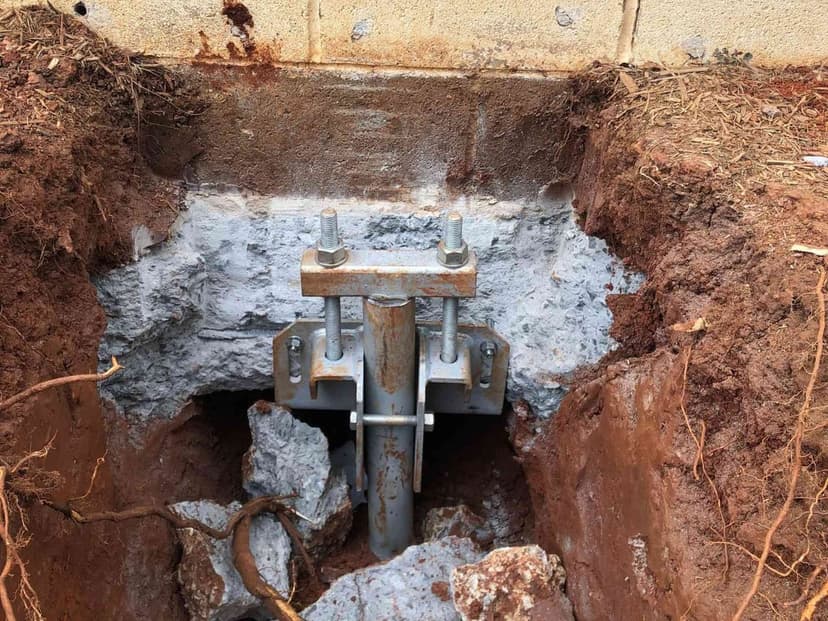
Push Piers
Steel piers are pushed deep into the ground beneath a settled footing with hydraulic equipment, usually using the weight of the house as the force to press against, until they reach firmer soil. The weight of the home can then rest on the piers instead of the weak soil near the surface. Read more about push piers.
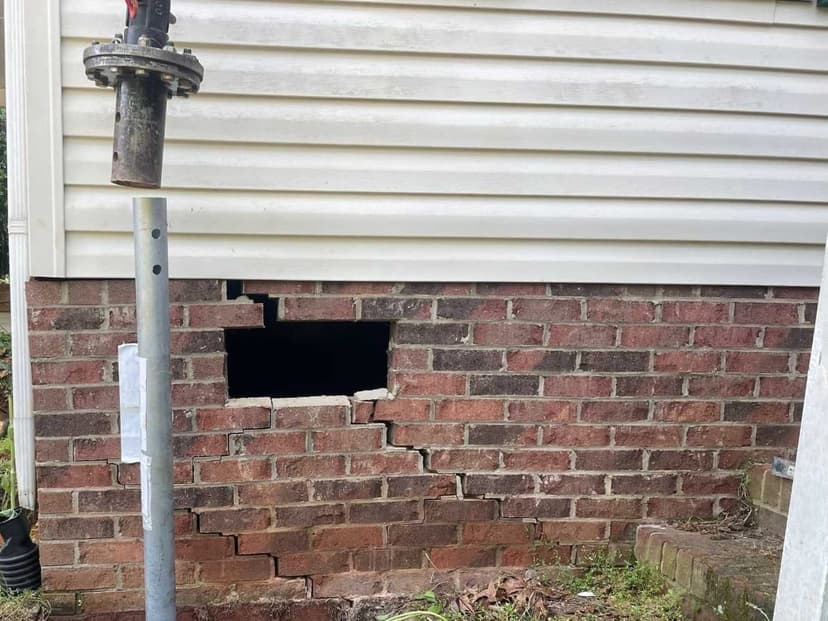
Helical Piers
A helical pier is a steel shaft with plates shaped like a screw near its end. It is turned into the ground until the plates reach soil that can carry the load, then a bracket connects it to the footing. Read more about helical piers.
Wall Anchors
A steel plate is buried in the yard, beyond the soil that is pushing on the wall. A steel rod connects it to a plate on the inside of the wall, and tightening the rod holds the wall against firm soil. The goal is to stop the wall from moving further inward. Read more about wall anchors.
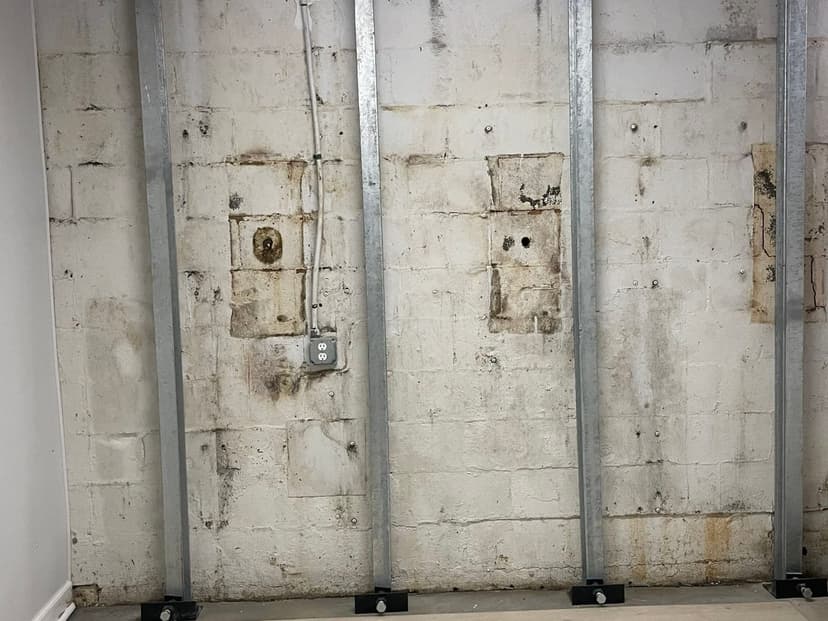
Steel Beam Wall Bracing
Steel beams stand upright against the inside of a bowing wall, fixed to the floor at the bottom and to the framing above, so the wall has a rigid backstop. The work is usually done from inside. Read more about steel beam wall bracing.
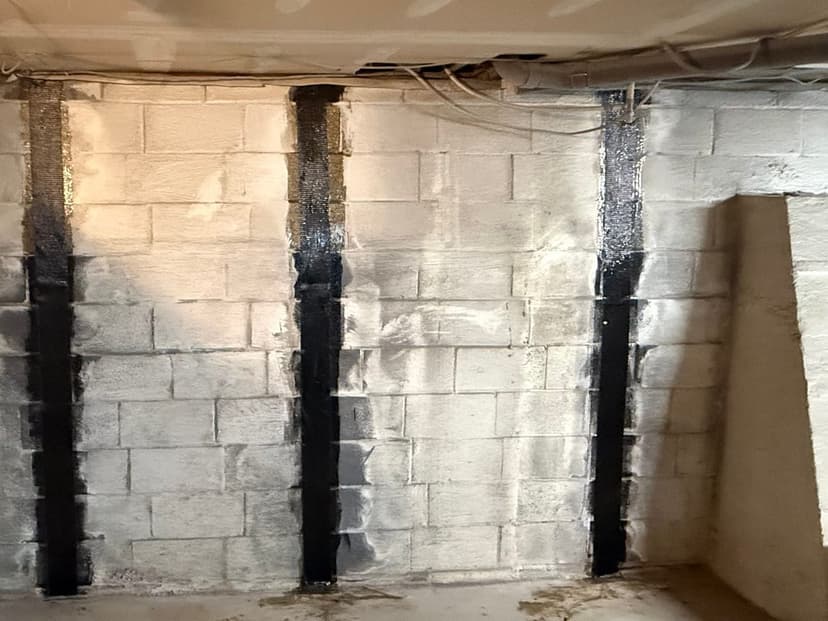
Carbon Fiber Reinforcement
Carbon fiber straps are bonded to the inside face of a bowing or cracked wall with a strong epoxy. The straps resist stretching, which helps keep the wall from moving further. Read more about carbon fiber reinforcement.
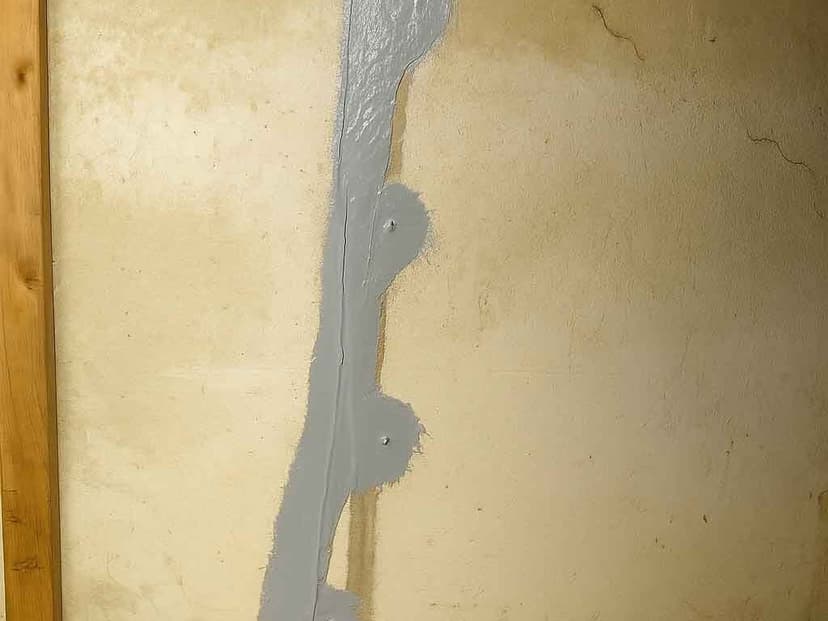
Crack Injection
A liquid resin is injected into a crack in a poured concrete wall, where it fills the crack and hardens. Epoxy is generally used to bond a dry crack that is no longer moving. Polyurethane is used to seal a damp or leaking crack. Read more about crack injection.
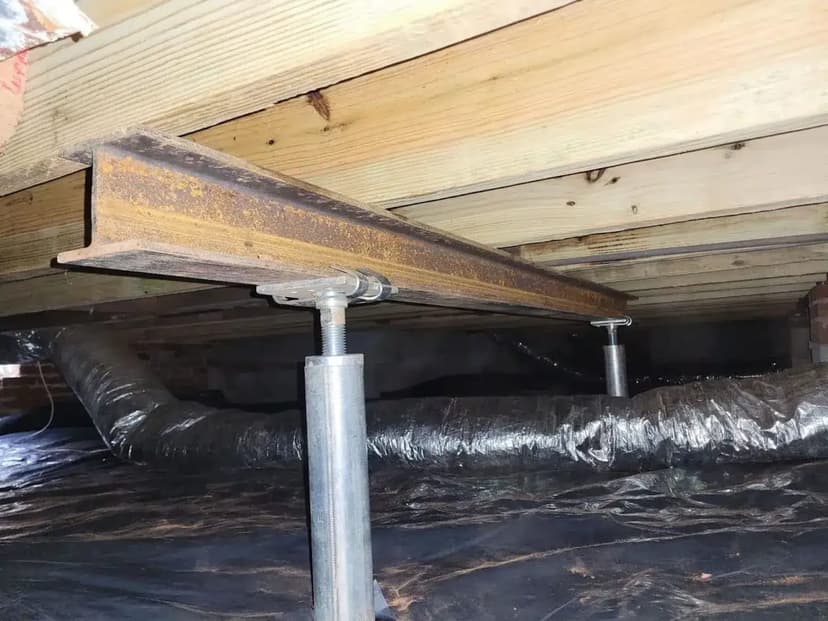
Crawl Space Supports
Under a home built over a crawl space, adjustable steel jacks can restore support under beams that have sagged. Read more about crawl space jacks.
Chapter 06
What Affects the Cost of a Foundation Repair?
Every home is different, so your price comes from the written estimate after your free inspection. These are some of the things that can change it.
- The repair method that fits what is moving and why.
- How much of the home is affected, and how many piers, anchors or braces the plan calls for.
- Access, such as the room to work around the footing or inside a crawl space.
- Other repairs the inspection finds, such as framing in a crawl space.
We offer financing options. Ask your inspector about them at your free inspection, or read about financing.
Chapter 07
How Do You Compare Foundation Repair Estimates?
If you are talking with more than one company, the written estimate is where you can compare them side by side. Ask for every estimate in writing.
A Clear Written Estimate Shows
- What is being installed, where, and how many.
- What the repair is meant to do for your home.
- What is included in the price, and what is not.
- The warranty for each repair, with its conditions, in writing.
- When each warranty starts.
Five Questions Worth Asking Any Contractor, Including Us
- What is causing the movement, and how will this repair address it?
- Why does this method fit my home?
- What does the warranty cover, what are its conditions, and when does it start?
- Does the warranty transfer if I sell my home, and what does that take?
- What is not included in the price?
Our pier, wall anchor and carbon fiber warranties each come with written conditions, and no warranty of any kind starts until the final invoice is paid in full. The full terms are on our warranty page.
Chapter 08
Common Questions About Foundation Repair
Do wall anchors straighten a bowing wall?
No. Wall anchors and steel wall beams are installed to stabilize a wall, which means stopping further inward movement. They are not a way to straighten it. Our warranty terms for them, with every condition, are on our warranty page.
Does the pier warranty transfer if I sell my home?
It can. Our helical and push pier warranty transfers to a new owner when written notice is sent to HydroHelp911 within 30 days of the ownership transfer. Every other condition is on our warranty page.
When does a warranty start?
No warranty of any kind starts until the final invoice is paid in full.
Do you offer financing?
Yes. We offer financing options. Ask your inspector about them at your free inspection.
Where do you work?
Across North and South Carolina. Our offices are in Dallas, Huntersville, Matthews, Asheville, Greensboro and Wilmington in North Carolina, and in Greenville and Columbia in South Carolina.
Why am I getting emails after asking for this guide?
When you ask for the guide, we email it to you, and we may follow up with a few short emails on the topics in it. Every follow up has an unsubscribe link, and one click stops them.
No Pressure
Schedule a Free Foundation Inspection
HydroHelp911 has served homes across North and South Carolina since 2017, with 1,300+ verified Google reviews (4.9 stars) and a BBB A+ rating. Bring your checklist to a free inspection. A trained inspector, not a salesperson, will walk you through what they find.