
Concrete Void Filling: Restoring Support Beneath Settled Slabs
Filling the empty space under your concrete to restore stability, remove trip hazards, and improve the look of uneven slabs across North and South Carolina.
Get a Free Inspection
Two ways to start. Both are free, with no obligation.
Pick your own day in our calendar. You save $250* if you go ahead with the work.
Send a short form, and our office will call to book a time that suits you.
*For new customers who book online through our website and then sign a contract.
What to Know About Concrete Void Filling
A slab that has lost the support beneath it needs that empty space filled with a stable material, so the concrete rests on solid footing again. Our crew drills a pattern of small holes through the slab over the voids and pumps in a polyurethane mixed from two parts that expands beneath the concrete. It spreads to contact both the soil and the slab, eliminating the hollow gap.
When the slab is still close to level, the void is filled until it is solid and the slab no longer rocks or deflects. When the slab has also settled, the crew keeps injecting in small, monitored increments so the material raises it back toward its original height. Either way the slab is supported evenly without cracking or rising too far.
Void filling does not change the deeper soil or drainage that let the void form, so diagnosis comes first. In active Piedmont clay that keeps swelling and shrinking, in Sandhills sand where fines keep washing out, or where a downspout is still eroding the subgrade, we may recommend correcting the cause, or a deeper structural solution, so the fill holds up over time.
The symptoms that usually lead to concrete void filling are on the concrete leveling problem signs page, alongside the other signs that point to the same underlying cause.
How We Fill Voids Under Concrete
- Step 01
Inspection and Diagnosis
We start by evaluating the slab and, just as importantly, why a void formed beneath it. We sound the slab to locate hollow areas, check the degree and direction of any settlement, and assess the soil and drainage conditions around the concrete. In Piedmont clay, Sandhills sand, SC Upstate foothill clay, or saturated coastal soils, the cause shapes the recommendation, and we will tell you plainly if void filling is not the right fit for your slab.
- Step 02
Confirm Candidacy and Explain the Plan
Void filling suits many exterior and interior flatwork slabs, but it is not appropriate for every situation. We confirm whether your slab is a good candidate, explain the polyurethane foam fill we recommend, and note whether the slab simply needs support again or also needs lifting. We also walk through any conditions around the slab that the plan has to account for, so you have a clear picture before anything begins.
- Step 03
Drill Small Injection Holes
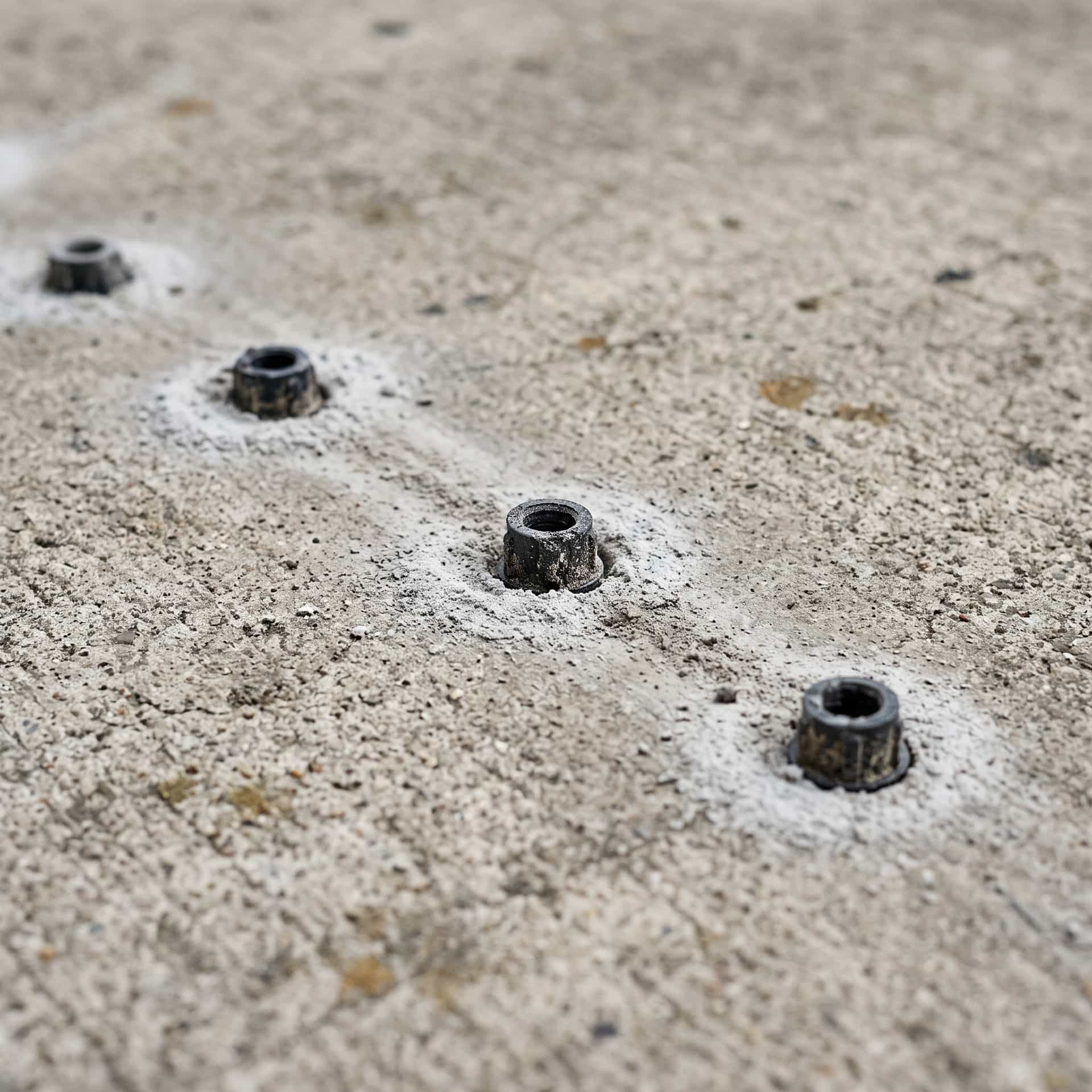
Our crew drills a pattern of small holes through the surface of the slab over the areas where the voids are. The hole pattern is planned around the location and size of the cavity so the fill material can reach the whole void and support the slab evenly.
- Step 04
Inject the Fill Material Into the Void
The fill material, an expanding polyurethane, is pumped through the injection ports and into the cavity beneath the slab. It flows through the void and makes contact with the soil below and the underside of the concrete, eliminating the hollow gap. If the slab has also settled, the crew injects in small, monitored increments to raise it back toward level as the void fills, watching elevation in real time so the slab stays even.
- Step 05
Patch, Clean up, and Review
Once the void is filled and the slab is properly supported, we patch the small injection holes and clean the work area. We review the finished result with you and point out any water draining toward the slab. Where joints are open, sealing the slab joints helps keep water from reaching the soil beneath it.
Care and Expertise From a Team Serving the Carolinas Since 2017
When the fix is concrete void filling, our own crews do the work. HydroHelp911 handles concrete leveling and related structural and moisture work across North and South Carolina.
An inspector looks at your home, finds the source of the problem, and explains each finding in plain language. There is no obligation.
We are headquartered in Dallas, North Carolina, with eight offices across North and South Carolina.
Foundation repair, crawl space repair and encapsulation, basement waterproofing, framing repair, and concrete leveling are the whole focus of the team.
We have 1,300+ verified Google reviews (4.9 stars) from homeowners across the Carolinas and are BBB A+ Accredited.
For example, helical and push piers carry a lifetime warranty that no additional settlement will occur in the area of installed piers, once the final invoice is paid in full. Read the warranty terms.
Ask your inspector about financing when you get your written estimate. See financing options.

Common Questions About Concrete Void Filling
Don't see your question here? Call or fill out our quick online form, and our team will help.
A void is the empty space that opens up when the soil beneath a slab settles, washes out, or pulls away from the underside of the concrete. In the Carolinas the usual driver is the soil. In Piedmont clay around Charlotte and the Triangle, the soil swells when wet and shrinks when dry, and that cycle pulls it away from the slab. In Sandhills sand near Fayetteville and Pinehurst, fine particles wash out and loosen the support. Water draining against a slab from a downspout and poorly compacted backfill are common contributors across both states. We confirm the cause during the inspection.
Which Concrete Leveling Problem Signs Can Concrete Void Filling Help With?
A sign can trace to more than one cause. These are the concrete leveling signs that can point to a cause this method addresses; the inspection shows which cause is at work in your home.
Uneven Concrete Slabs
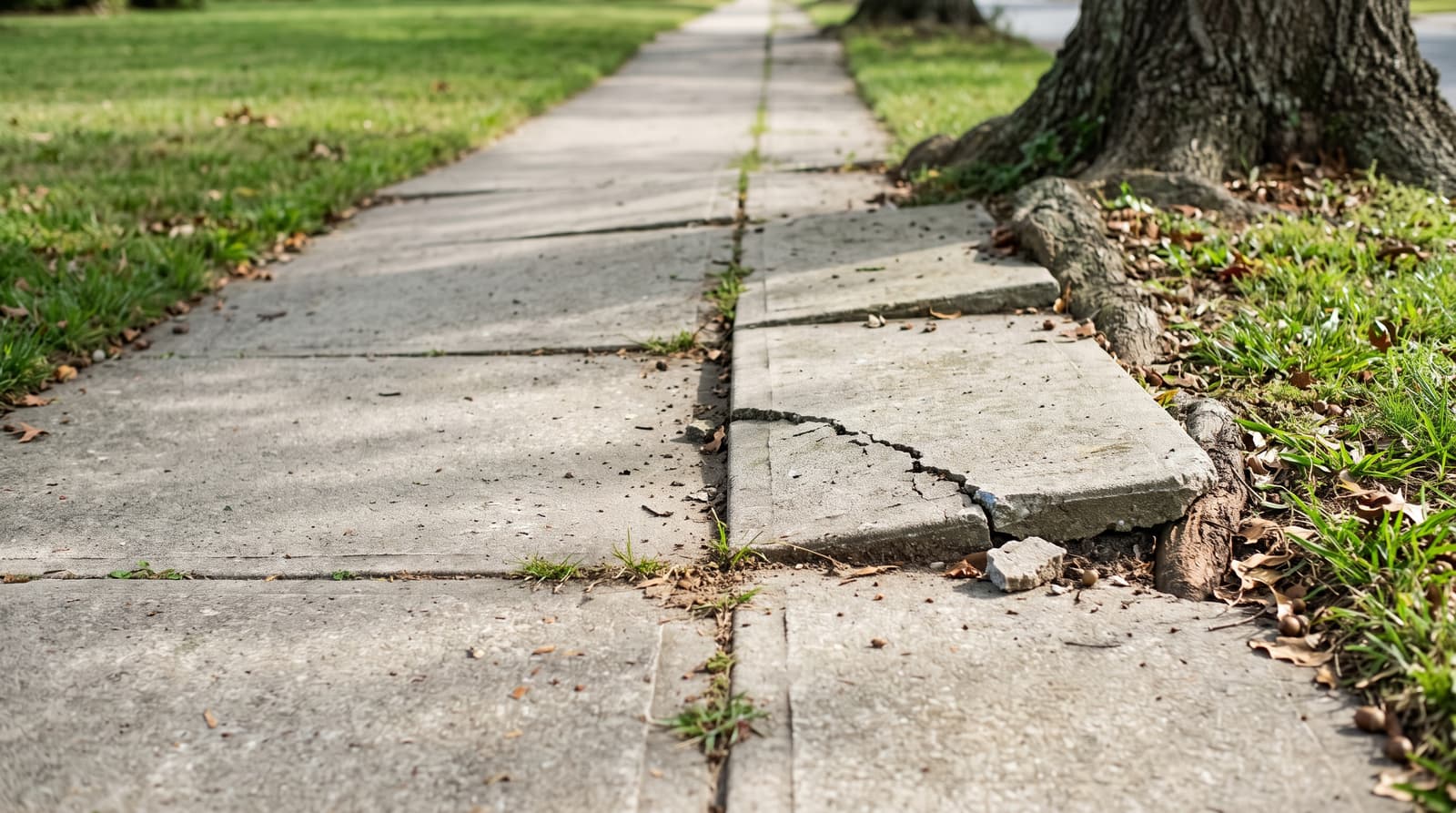
When a driveway, patio, walkway, or garage floor sits uneven, the soil under it has usually moved.
Learn More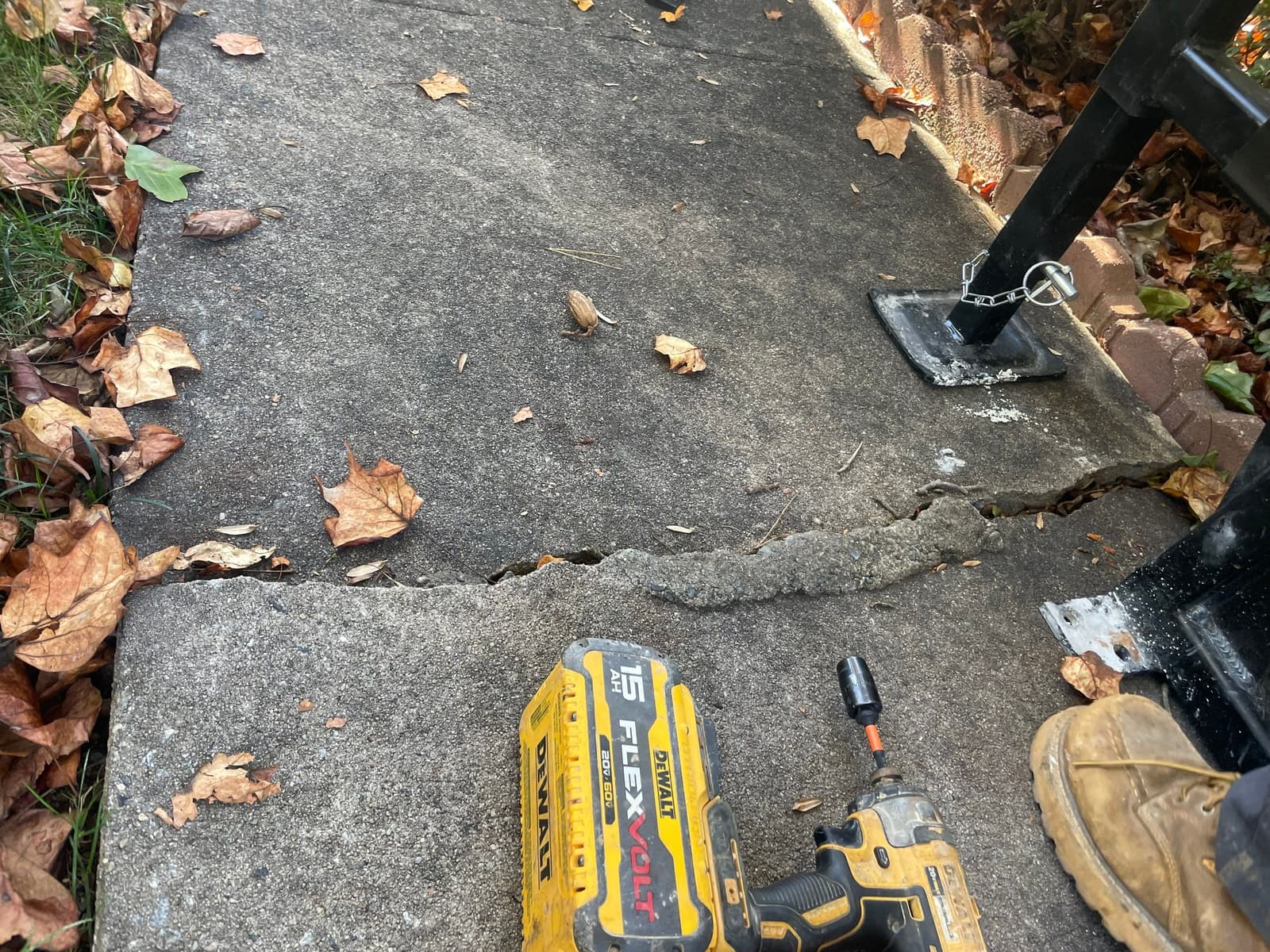
Cracked Concrete
Cracks in a driveway, garage floor, patio, or interior slab can be harmless curing cracks, or they can be the concrete responding to drainage and soil movement below it.
Learn More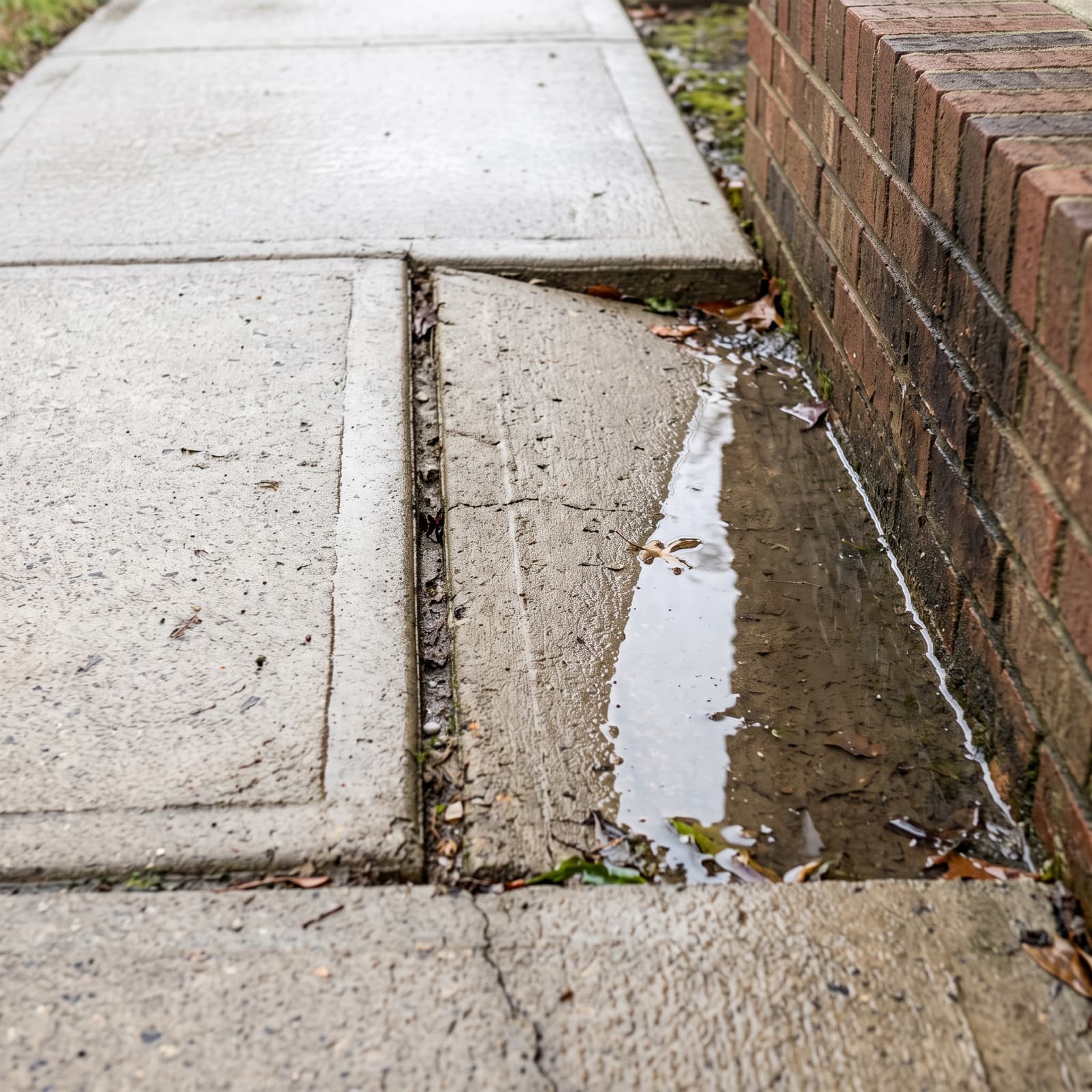
Broken Sidewalk
When a sidewalk cracks, drops, or lifts into a raised edge, the soil under it has usually moved, or a root has pushed up against it.
Learn More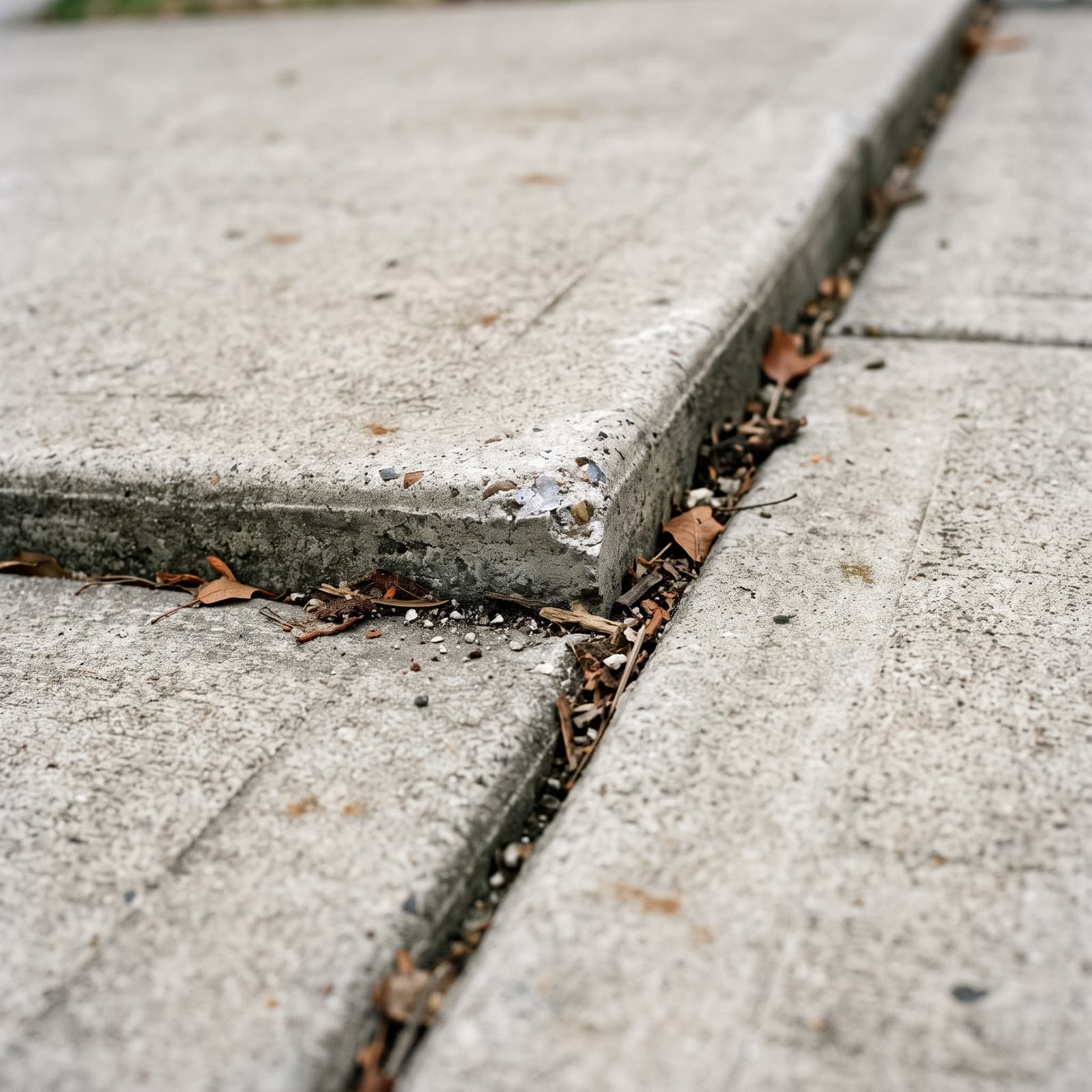
Tripping Hazards
A raised or sunken slab edge along a walkway, driveway, or patio usually starts when the soil under the slab moves and the concrete follows it.
Learn More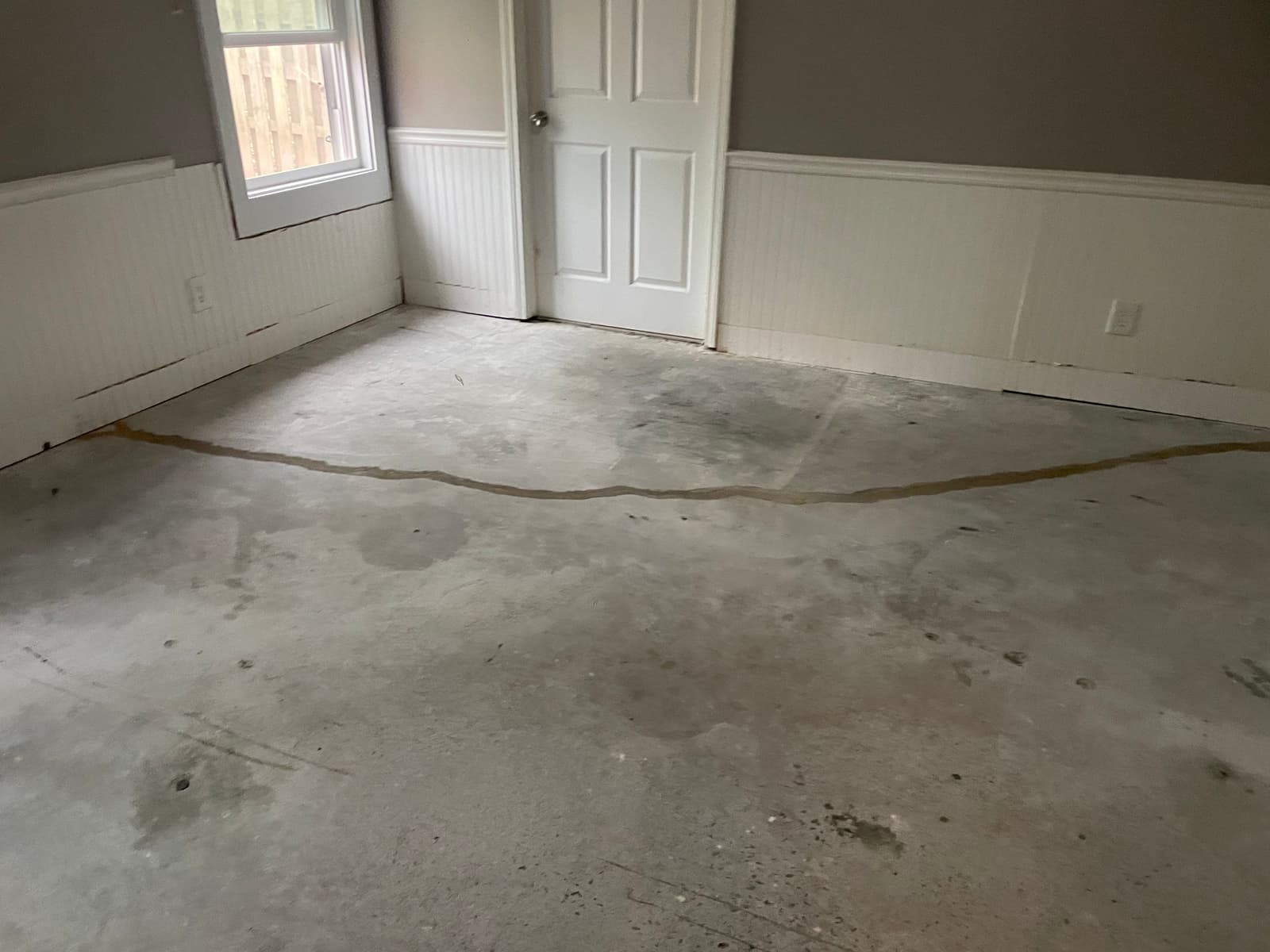
Cracked Garage Floor
A garage floor is a concrete slab poured directly on soil, so it relies on the ground beneath it to stay flat and supported.
Learn MoreOther Concrete Leveling Solutions We Install
Each solution fits a different cause. The inspection shows which one your home needs.
Concrete Joint & Crack Sealing
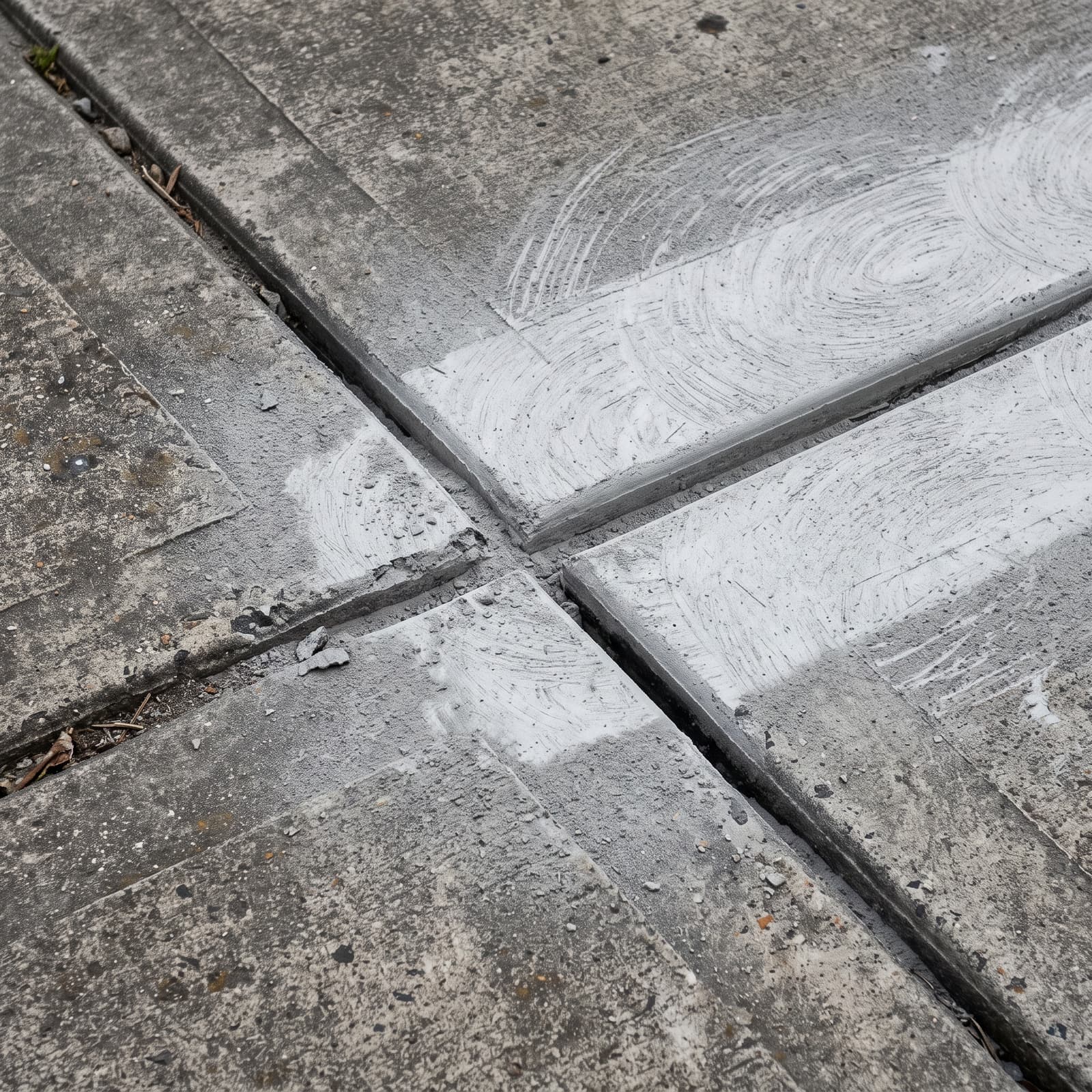
A focused way to seal control joints and surface cracks in walkways, garage floors, and patios, paired with a look at what opened them.
Learn More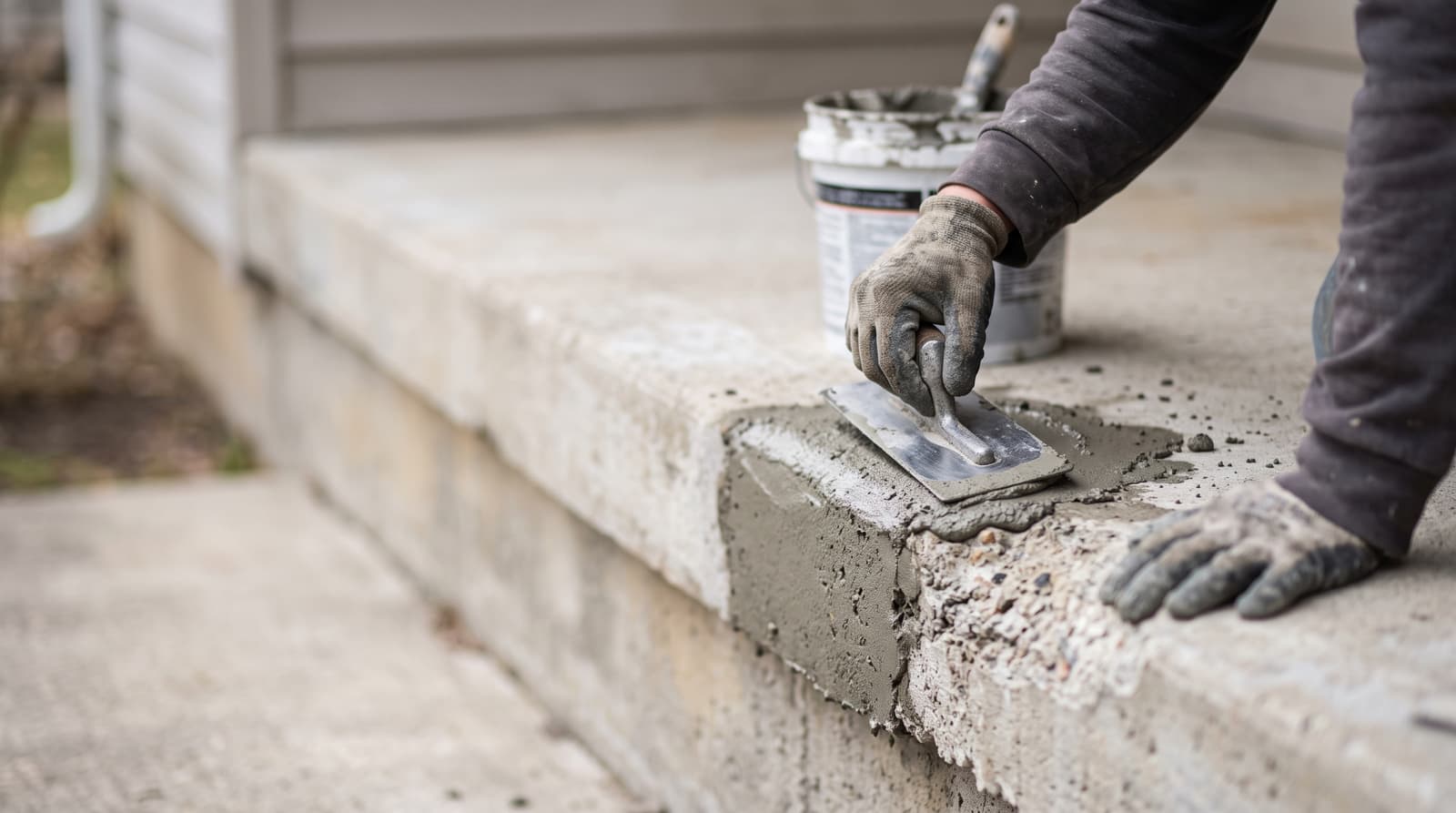
Concrete Patching
A targeted repair for cracked, chipped, and spalled concrete, used to close out surface damage and remove tripping hazards once a slab is supported and sitting where it should.
Learn More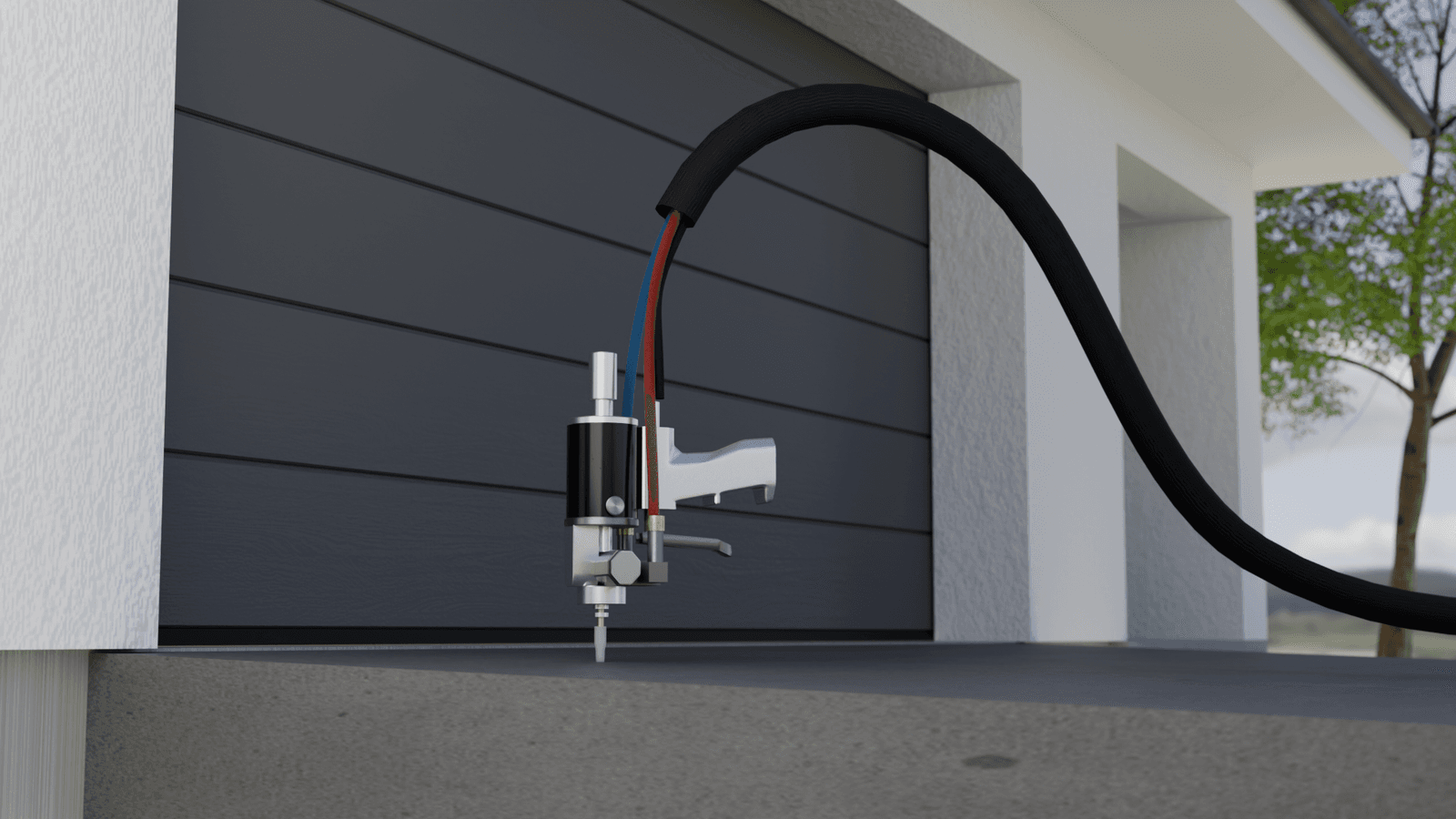
Polyjacking
A clean, fast way to raise settled slabs, restoring a level surface without tearing out and repouring the concrete.
Learn More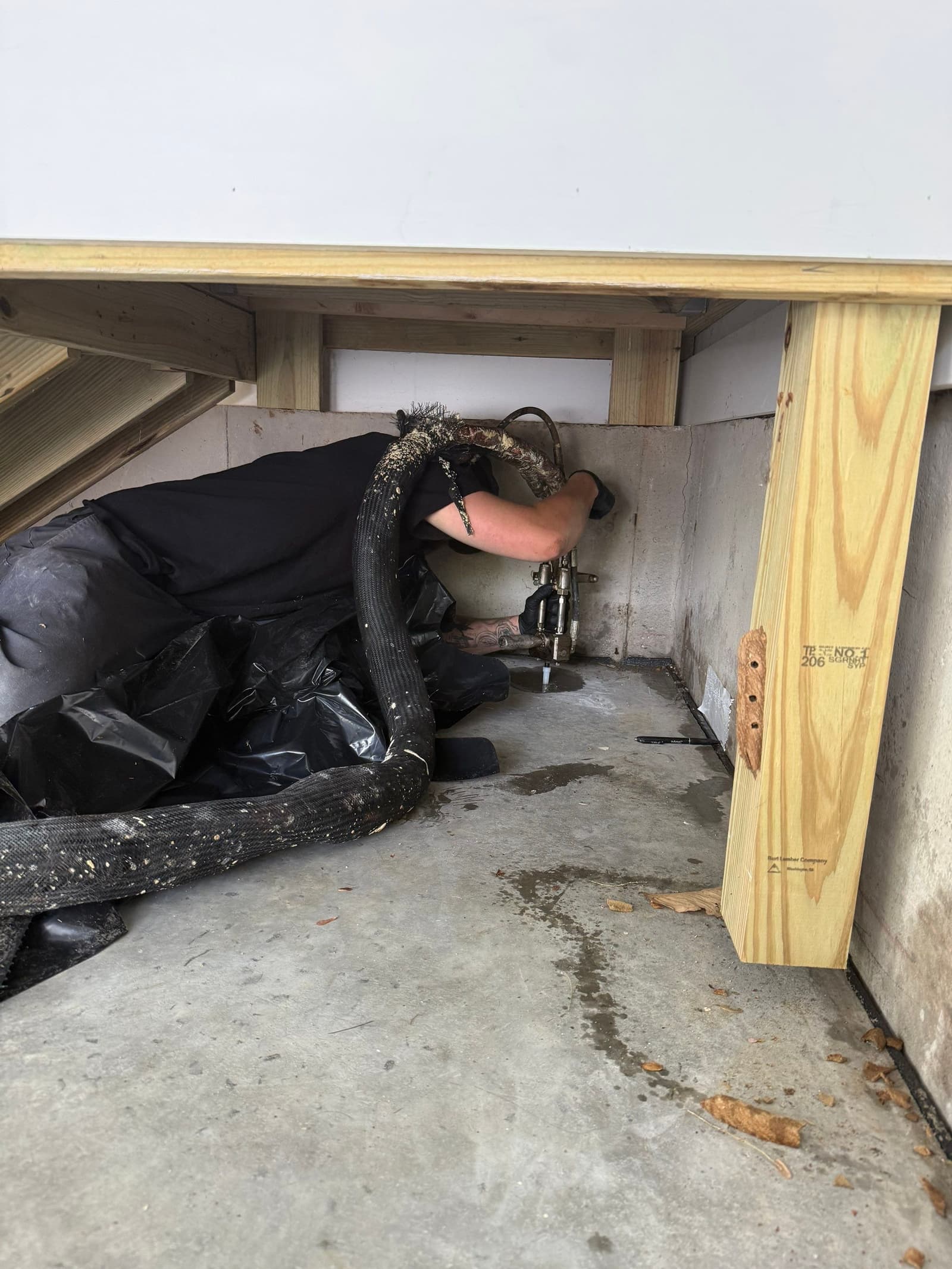
Polyurethane Foam Injection
A clean, fast, lightweight way to raise and level settled slabs, without tearing out and repouring the concrete.
Learn More
Get the Free Concrete Leveling Guide
A free guide for homes in North and South Carolina: why walkways, patios, steps and garage floors sink, what to look for, and what polyurethane foam lifting is, in plain language.
- A checklist to take on a walk around your walkways, patio, steps, pool deck and garage floor
- Why concrete settles in Piedmont clay, on slopes and in coastal sand
- What polyurethane foam lifting is, and how it compares with mudjacking and replacement
- Questions worth asking any contractor, including us
1,300+ Verified Google Reviews (4.9 Stars)
Before you choose a contractor for concrete void filling, read how homeowners across North Carolina and South Carolina rate our work.
How Do I Book a Free Inspection?
Pick your own time online, or fill out our quick online form and we will book a convenient time to assess your home, no cost, no pressure.
- A free inspection of your home
- Every finding explained in plain language
- A written estimate at no cost
- No obligation
Not Sure Which Service You Need?
A free inspection covers all of it: one visit, clear findings, and a written estimate at no cost.