
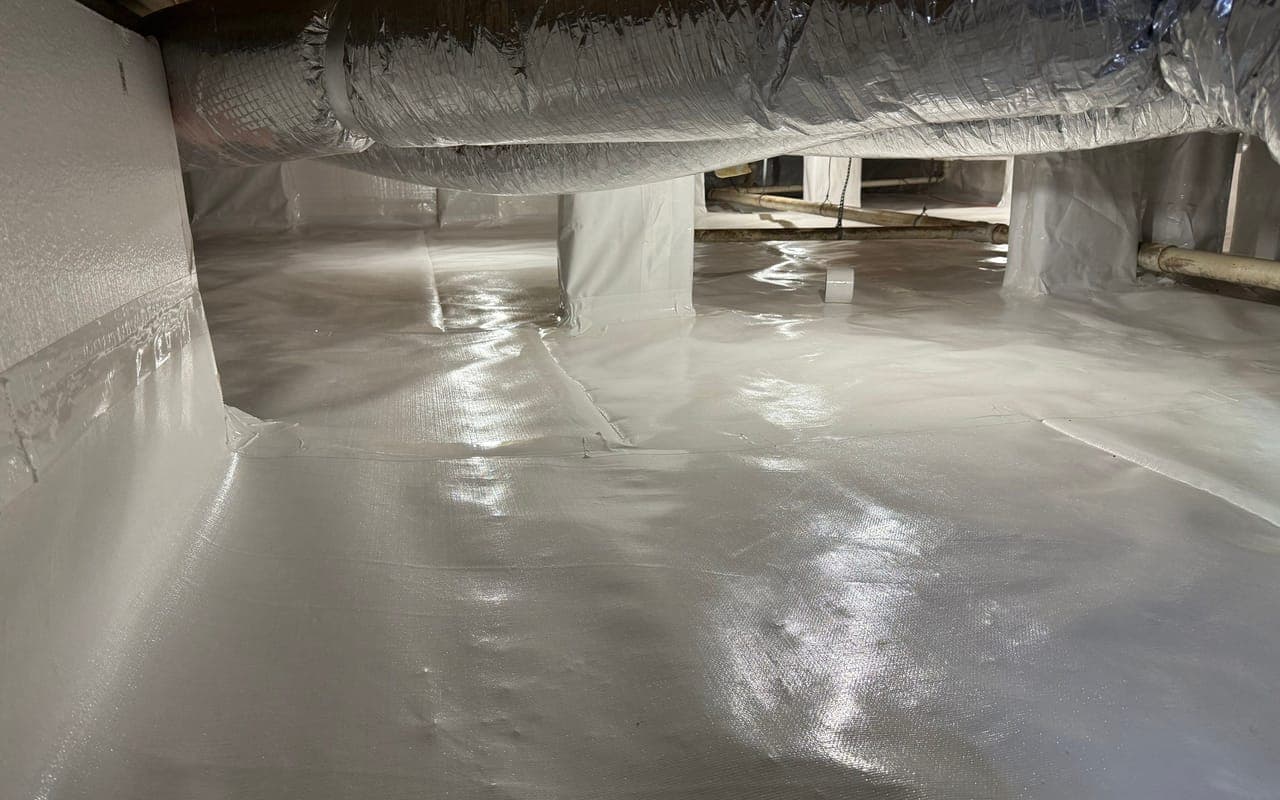
Chapter 01
What Makes a Crawl Space Damp in the Carolinas?
A crawl space is the open space between the ground and the floor of your home. Moisture in a crawl space typically comes from one or more sources: outdoor humidity, ground moisture vapor, condensation, or water intrusion. We look at all of them before we recommend a solution.
- Outdoor humidity.
- Ground moisture vapor.
- Condensation.
- Water intrusion.
Coastal Crawl Spaces Sit Near the Water Table
In Wilmington, Leland and Brunswick County, a high water table, saturated and sandy soils, and salt air shape how crawl spaces fail. Our coastal team plans each repair around those conditions.
Mountain Homes Deal With Slopes and Runoff
Around Asheville, crawl spaces deal with hillside foundations, slopes, runoff and heavy mountain rainfall.
Piedmont Clay Holds Water in Wet Seasons
In the Piedmont, including Charlotte, Gastonia, Huntersville, Matthews, Greensboro and the Triangle, clay rich soils absorb moisture during wet seasons and contract during dry periods. Around Columbia in South Carolina, clay plus heat and humidity add their own moisture load, and the Greenville area sits on Piedmont and foothill clay.
Sandhills Soils Drain Differently
Around Fayetteville and Pinehurst, sandy soils drain differently from Piedmont clay.
Chapter 02
The Crawl Space Checklist
Walk your home with this list, then look in from the crawl space door. Check off what you see, write down where it is and when you noticed it, and take a photo. Those notes are useful at an inspection, whatever the cause turns out to be.
A Sign Is Not a Diagnosis
The same smell or damp spot can have more than one cause. Use this list as notes for a conversation with an inspector, not as a verdict on your home.
What to Write Down for Each Sign
- Where it is. The room, or the part of the crawl space you can see from the door.
- What you see or smell. Standing water, a damp wall, sagging insulation, a musty smell.
- When you first noticed it. A rough date is fine.
- Whether it comes and goes. After rain, on humid days, or all the time.
- A photo. Take it from the same spot each time, so you can compare.
Chapter 03
What Can a Crawl Space Sign Tell You?
A sign tells you that moisture or the floor framing may need a closer look. On its own, it does not tell you where the moisture comes from, or how far it reaches.
Moisture under a home can show up in several ways. A few of the common ones:
- A musty smell. Humidity in a crawl space can allow mold, and controlling moisture helps prevent it. Read more about musty odors.
- Wood rot. Humidity in a crawl space can allow wood rot in the beams, joists and the wood on top of the foundation walls. Read more about rotten wood.
- Sagging or bouncing floors. Beams, joists and supports under the floor can sag, crack or decay. Read more about sagging floors.
- Damp or falling insulation. Insulation between the joists that is damp, sagging or falling is worth a note on your checklist. Read more about deteriorating insulation.
- Insects or rodents. Note them on your checklist too. An active infestation is a job for a licensed pest professional.
Telling these apart takes a look at the whole crawl space, the floor above it and the outside of the house. That is what the free inspection in the next chapter is for.
Chapter 04
What Happens at a Free Crawl Space Inspection?
A free inspection is where your notes turn into answers.
- 1
Schedule Your Free Inspection
Call or fill out our quick online form. We’ll book a convenient time to assess your home at no cost.
- 2
Get a Custom Repair Plan
A trained inspector (not a salesperson) checks your crawl space for moisture, standing water, damaged wood and sagging floor framing, then explains the findings and the options.
- 3
Relax While We Handle the Fix
If you decide to go ahead, our team schedules the work and handles the repair.
What You Get Afterward
After the inspection you get written documentation, typically an estimate with photographs, at no cost. We can provide video of what we found if you ask.
Bring Your Checklist
Your notes, dates and photos show the inspector what you have seen over time, including things that come and go with the weather.
Read more about our crawl space inspection.
Chapter 05
Vapor Barrier or Full Encapsulation: What Is the Difference?
Both limit ground moisture in a crawl space. Here is what each one covers.
- Vapor Barrier Installation
- A moisture barrier over the crawl space floor to limit ground moisture in the space.
- Full Encapsulation
- A liner over the ground, the foundation walls and the piers, with every seam taped, so moisture stays behind the barrier.
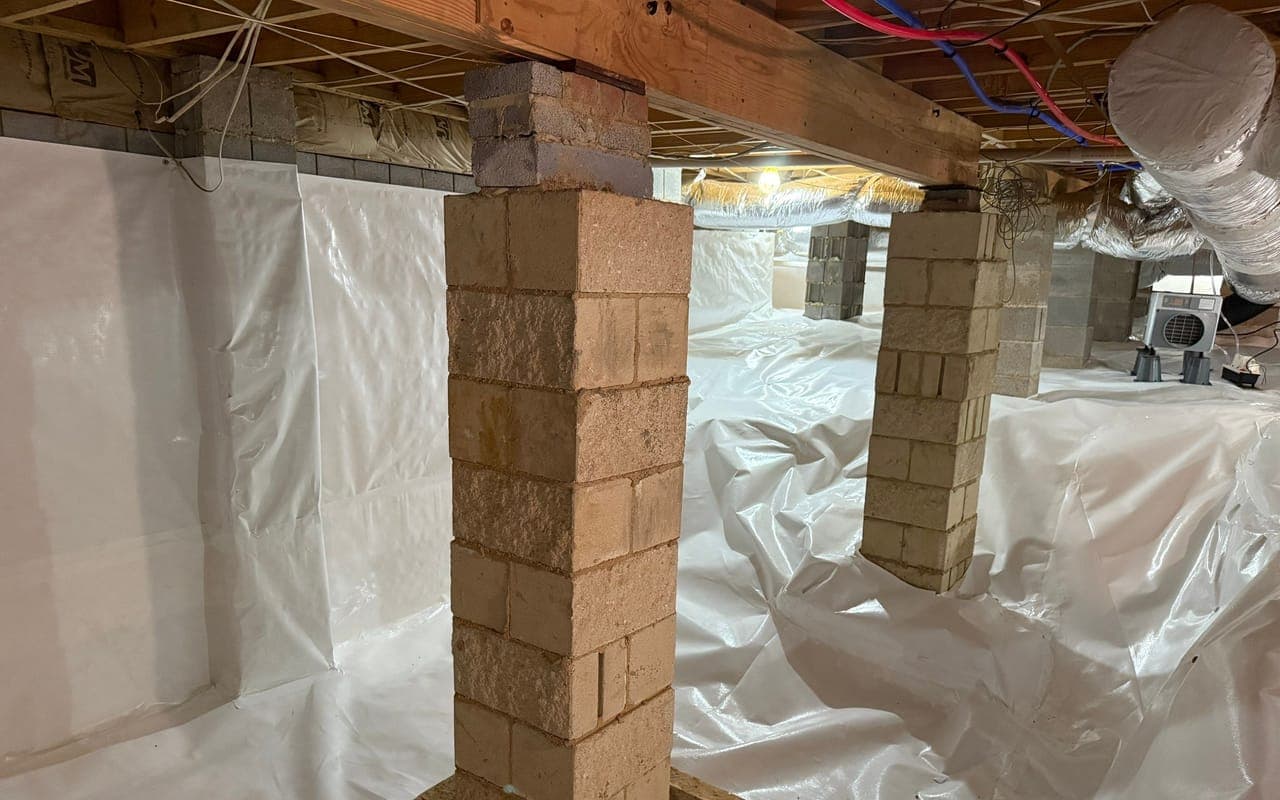
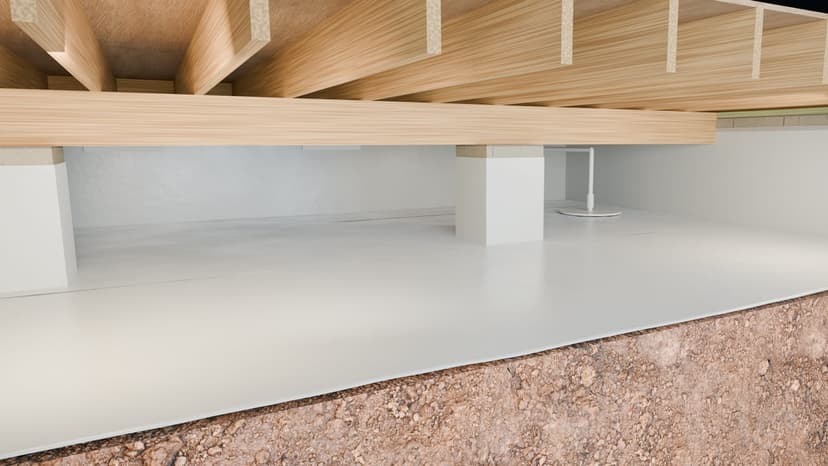
Read more about vapor barrier installation and crawl space encapsulation.
Our encapsulation liner warranty lasts for the life of the property and requires annual maintenance at the owner’s expense, and no warranty of any kind starts until the final invoice is paid in full. Every term and condition is on our warranty page.
Chapter 06
How Do Crawl Space Repairs Work?
The right plan depends on where the moisture comes from and what it has already done, and a crawl space often needs more than one of these. Here is how the main parts of a plan work, so a recommendation in an estimate makes sense to you.
Part of a Larger Plan
We install sump pumps, dehumidifiers and interior drainage as part of a larger crawl space project, not on their own.
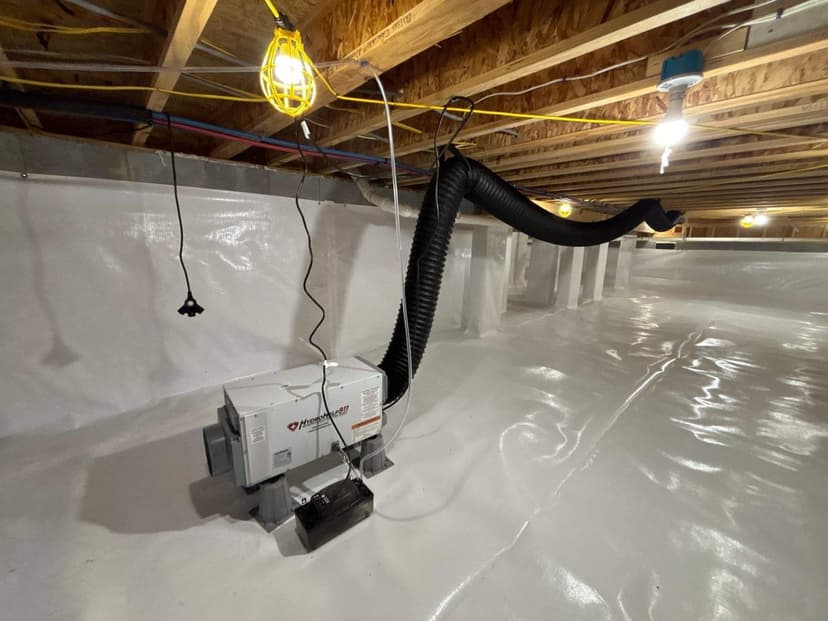
Dehumidifiers
A dehumidifier controls the humidity in a crawl space. We install AprilAire dehumidifiers. Read more about crawl space dehumidifiers.
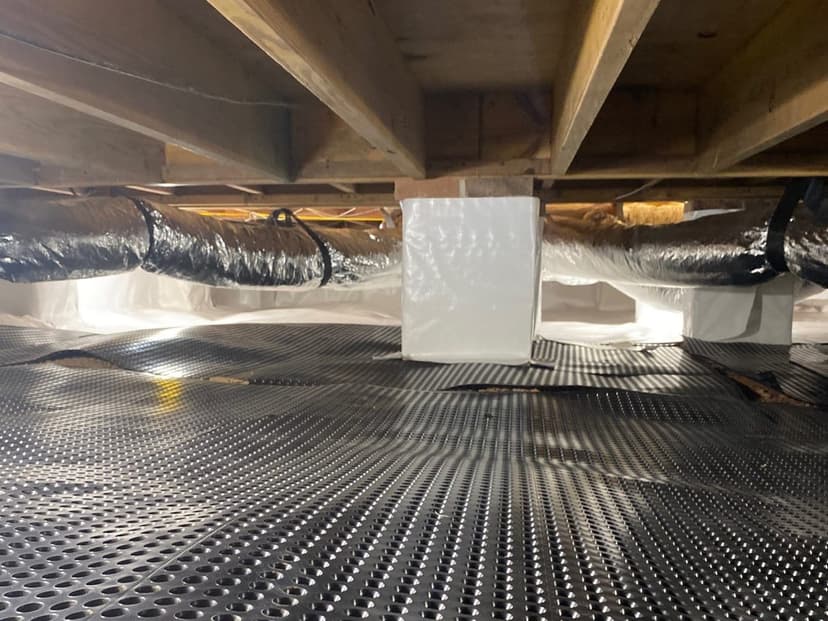
Interior Drainage Systems
An interior drainage system collects water inside the crawl space and carries it to a sump pump. It is an interior system, installed inside the crawl space. Read more about interior drainage systems.
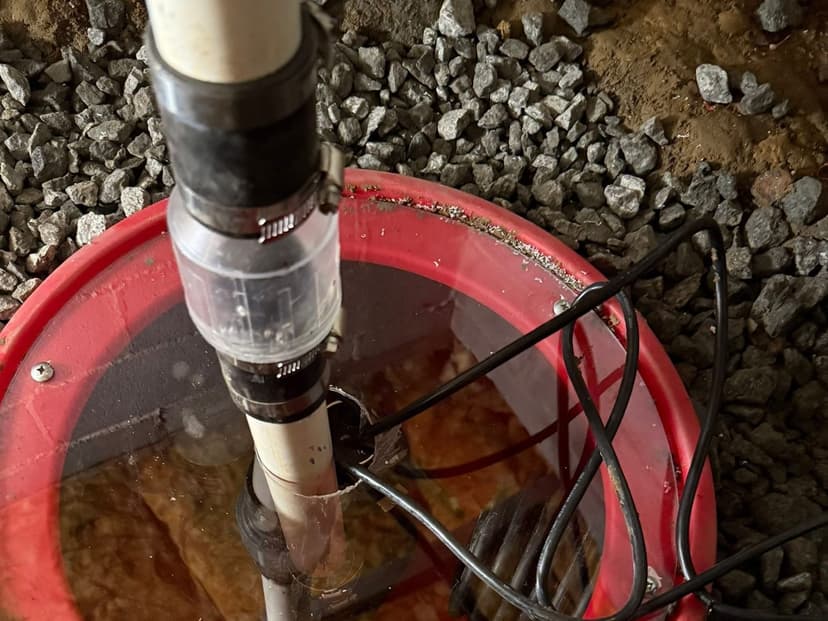
Sump Pumps
A sump pump moves the water a drainage system collects out of the crawl space. Read more about crawl space sump pumps.
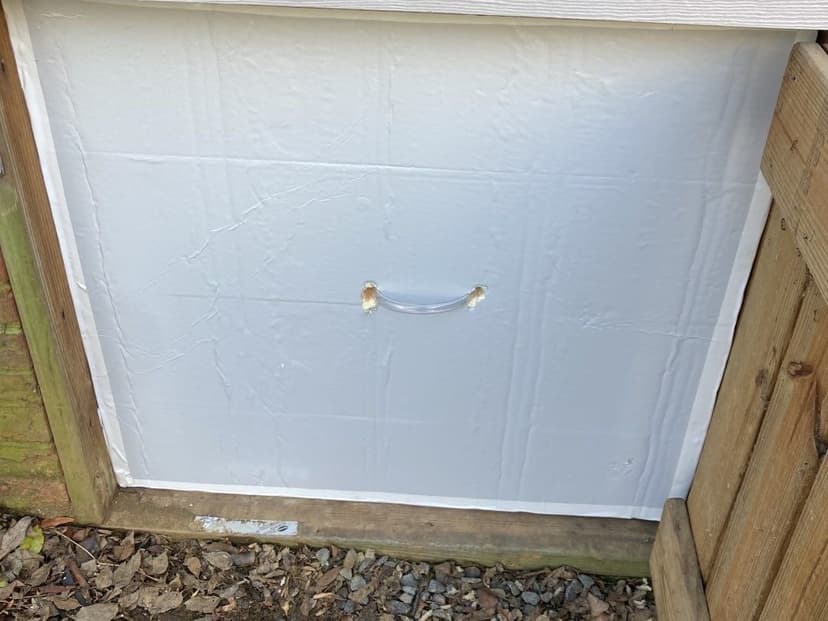
Vent Sealing and Crawl Space Doors
Sealing the crawl space vents helps keep outside air and humidity out of an encapsulated crawl space. A crawl space door closes off the access opening and helps keep outside air and water out of the space. Read more about vent sealing and crawl space doors.
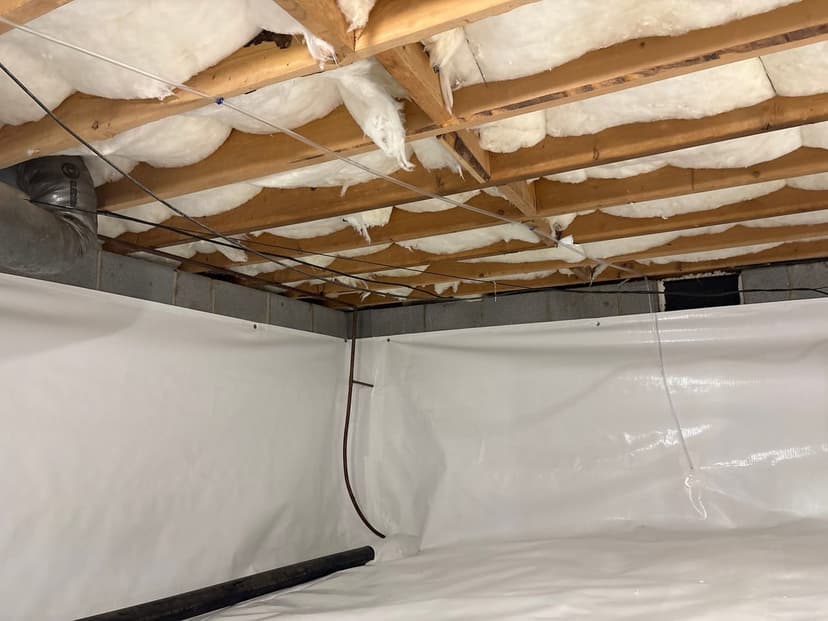
Insulation
We install insulation in crawl spaces, and we insulate when we encapsulate, because in our experience building code requires it. What your crawl space needs depends on your home and where it is, and your inspector covers it in your estimate. Read more about crawl space insulation.
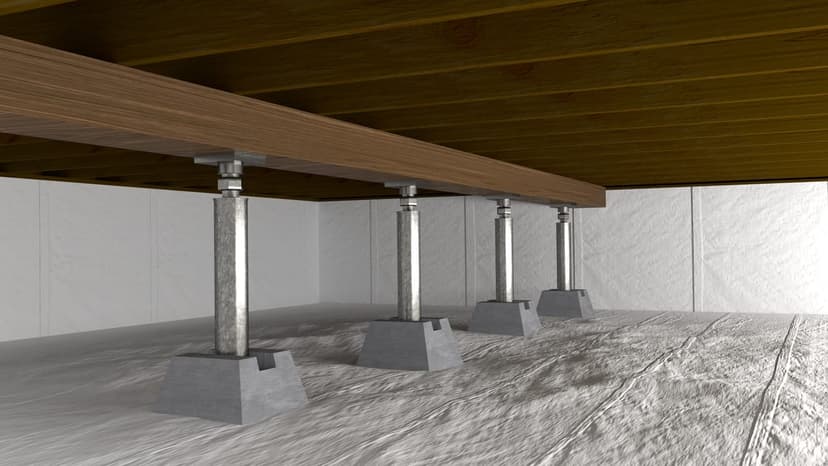
Crawl Space Jacks
Crawl space support jacks are installed under sagging beams to support the floor above. Read more about crawl space jacks.
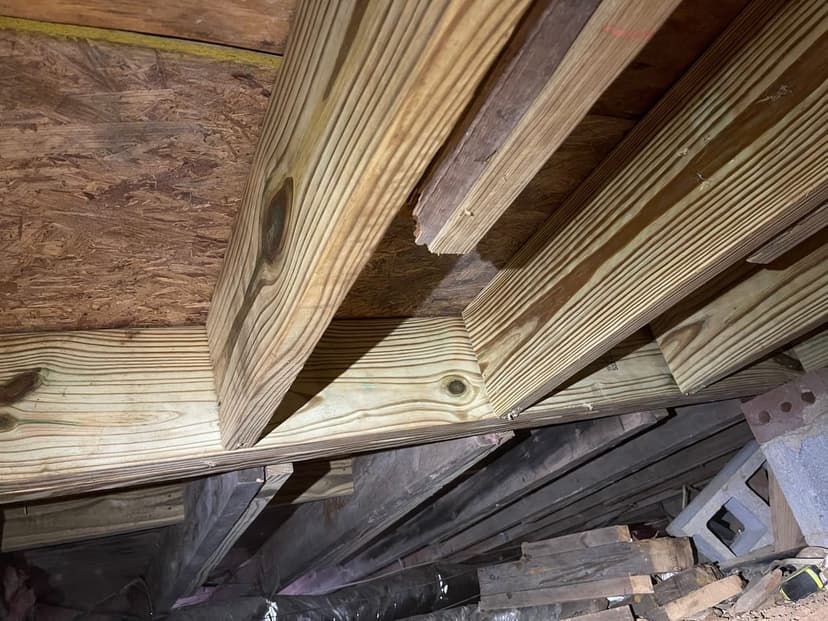
Wood Structure Repair
We repair the wood structure in the crawl space, including joists, beams, sill plates and posts, to state building code. Read more about crawl space structural repair.
Chapter 07
Which Crawl Space Warranties Need Annual Maintenance?
Several of our crawl space warranties require annual maintenance at the owner’s expense to stay valid. Our annual maintenance program is $250 a year.
- The encapsulation liner and moisture barrier warranties require annual maintenance at the owner’s expense.
- The interior crawl space drainage warranty requires the sump pump to stay operational at all times and annual sump pump maintenance at the owner’s expense.
- Sump pumps carry a 3 year warranty on parts only, with lifetime parts and labor coverage available only through the annual maintenance program.
- AprilAire dehumidifiers carry a 5 year manufacturer warranty on materials only, with lifetime parts and labor coverage available only through the annual maintenance program.
No warranty of any kind starts until the final invoice is paid in full. Every term, condition and exclusion is on our warranty page.
Chapter 08
How Do You Compare Crawl Space Estimates?
If you are talking with more than one company, a written estimate lets you compare them side by side.
A Clear Written Estimate Shows
- What is being installed, and where.
- Where the moisture is coming from, and how the plan addresses it.
- What is included in the price, and what is not.
- The warranty for each part of the plan, with its conditions, in writing.
- Which warranties need annual maintenance, and what that costs.
Four Questions to Ask About an Estimate
- Where is the moisture coming from, and how will this plan address it?
- What does each warranty cover, what are its conditions, and when does it start?
- Which warranties need annual maintenance, and what does it cost?
- What is not included in the price?
Every price comes from the written estimate after your free inspection. We offer financing options. Ask your inspector about them, or read about financing.
Chapter 09
Common Questions About Crawl Spaces
Should crawl space vents be open or closed?
With full encapsulation, we recommend keeping the vents closed all the time. Without encapsulation, the older rule of thumb is to open them in the warmer months and close them in the colder months so pipes do not freeze. Even with that seasonal rule, humidity can still allow mold or wood rot, so our recommendation is to encapsulate the crawl space and add a dehumidifier.
Is it normal to find moisture under the liner?
Yes. Ground moisture beneath the liner is normal and expected, and it is not a warranty claim.
Can a sagging floor collapse?
It is possible, but in our experience it takes well advanced framing problems or extreme neglect. We have seen two or three cracked joists in a row, with two to three inches of sag, that still had not collapsed. We recommend an inspection for any floor that slopes, sags or bounces, because repairing one joist costs far less than repairing many.
Do I still need insulation after encapsulation?
In our view, once a crawl space is encapsulated and air sealed with a dehumidifier, it benefits even before any insulation goes back in. We still insulate when we encapsulate, because in our experience building code requires it.
When does a warranty start?
No warranty of any kind starts until the final invoice is paid in full.
Do you offer financing?
Yes. We offer financing options. Ask your inspector about them at your free inspection.
Where do you work?
Across North and South Carolina. Our offices are in Dallas, Huntersville, Matthews, Asheville, Greensboro and Wilmington in North Carolina, and in Greenville and Columbia in South Carolina.
Why am I getting emails after asking for this guide?
When you ask for the guide, we email it to you, and we may follow up with a few short emails on the topics in it. Every follow up has an unsubscribe link, and one click stops them.
No Pressure
Schedule a Free Crawl Space Inspection
HydroHelp911 has served homes across North and South Carolina since 2017, with 1,300+ verified Google reviews (4.9 stars) and a BBB A+ rating. Bring your checklist to a free inspection. A trained inspector, not a salesperson, will walk you through what they find.