


If you’ve spotted a crack in your concrete or foundation, it can be hard to know how serious it is. Is it just a small crack, or something that needs fixing fast? Understanding the difference between hairline cracks and structural cracks is the first step.
In this guide, we’ll explain what each type of crack means, why it happens, and how foundation crack repair can protect your home.
Let’s dive in.
What Is a Hairline Crack?
A hairline crack is a very thin crack in concrete. It’s usually less than 1/16 of an inch wide. These cracks often show up when concrete dries and shrinks, especially in new foundations or patios.

Are Hairline Cracks Dangerous?
Most hairline cracks are non-structural cracks, which means they don’t harm the strength of your home. But they still matter.
Water can seep in through small cracks. This can lead to mold, mildew, or even more damage over time. Bugs and pests can also enter through hairline cracks. So, while these cracks are not an emergency, they shouldn’t be ignored.
Common Causes of Hairline Cracks
Hairline cracks can happen when concrete dries too fast or when a new home settles a little bit after being built. They also show up due to changes in temperature or from shrinking while the concrete cures. If you’re seeing tiny cracks but no other problems, it’s likely a hairline crack. Still, it’s smart to keep an eye on it or seal it to stop moisture from getting in.
What Is a Structural Crack?
A structural crack is more serious. These cracks can show that your home’s foundation is moving or shifting.

Signs of a Structural Crack
You might be dealing with a structural crack if the crack is wider than 1/4 inch, goes all the way through the wall, or forms a stair-step shape in brick or block walls. Cracks that are horizontal, jagged, or continue to grow are also signs. If doors or windows start sticking or won’t close, it may point to a deeper foundation problem.
What Causes Structural Cracks?
Structural cracks can be caused by soil moving under the home, water damage from poor drainage, or freeze-thaw cycles in colder weather. Sometimes, tree roots push against the foundation, or poor construction methods weaken the structure. These cracks often get worse if left untreated and can lead to uneven floors, wall damage, or serious foundation failure.
How to Tell the Difference
Knowing whether a crack is just a hairline crack or a structural crack can be tricky. Here are some tips:
| Feature | Hairline Crack | Structural Crack |
| Width | Less than 1/16 inch | More than 1/4 inch |
| Pattern | Thin and straight | Stair-step, horizontal, or jagged |
| Depth | Surface only | Goes through the wall |
| Change Over Time | Stays the same | Gets bigger or longer |
| Impact | Cosmetic | Serious structural damage |
When in doubt, it’s always best to get a professional opinion.
Why Foundation Cracks Matter
A small crack might not seem like a big deal, but it can grow. Cracks allow water in, which can erode the concrete or cause mold. They can also invite ants, termites, or rodents into your home.
Worse, a crack could mean your home is settling unevenly. That can lead to bigger issues like uneven floors, leaning walls, cracked ceilings, or even flooding in basements or crawl spaces.
That’s why foundation crack repair is so important. Fixing small problems now can save you thousands later.
What Is Foundation Crack Repair?
Foundation crack repair means fixing cracks in your concrete or foundation to restore strength and prevent future damage. The repair method depends on the crack type.
For Hairline Cracks:
Hairline cracks are often fixed by injecting epoxy or polyurethane into the crack. Surface sealants can be used to keep out water. It’s also a good idea to monitor the crack over time to see if it grows or changes.
For Structural Cracks:
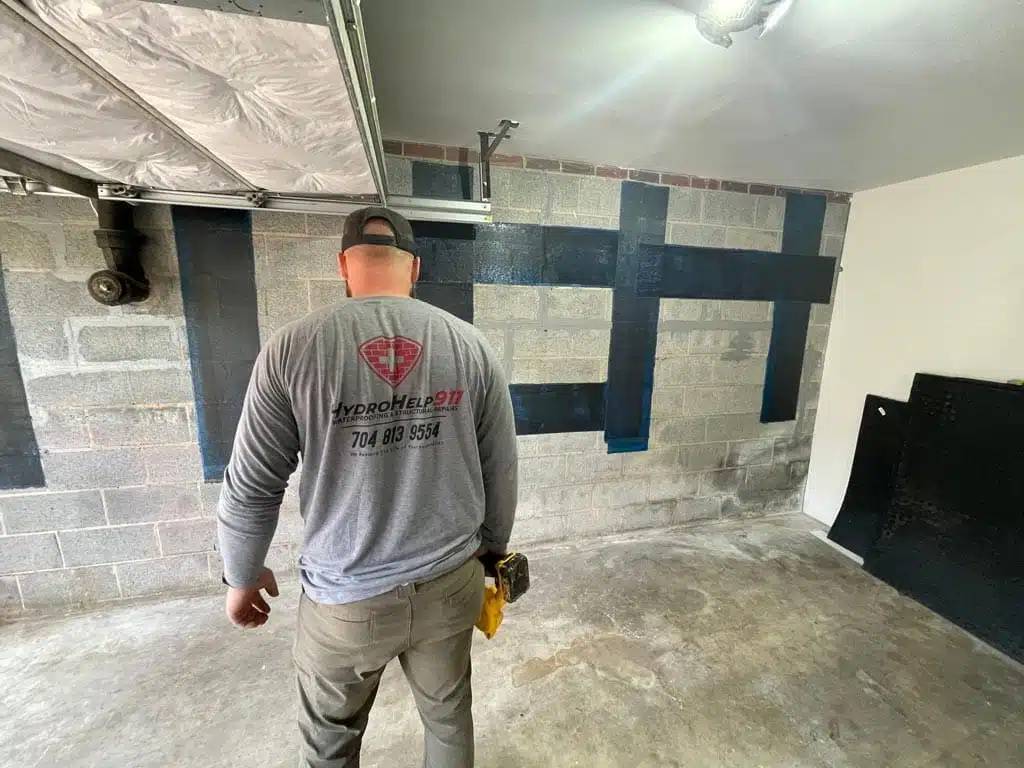
Structural cracks require more serious solutions. Carbon fiber straps can be added to strengthen walls. Wall anchors or braces might be used to stop walls from bowing. In some cases, underpinning or pier systems are needed to stabilize the entire foundation. Improving drainage around the home is also key to preventing more water damage.
Each repair starts with an inspection. A professional will check your home, find the cause of the crack, and suggest the best fix.
Why DIY Crack Repair Is Dangerous
It might be tempting to fix a crack yourself with a quick patch from the hardware store. But this can lead to more problems.
DIY repair often only treats the surface. You might seal the crack, but not fix what caused it in the first place. That means the crack can come back or get worse.
Also, using the wrong materials can make the damage worse. Some products expand or contract too much, or don’t bond well with concrete. This can lead to leaks, poor sealing, or even more cracking.
Finally, without a full inspection, you might miss signs of a serious structural problem. Fixing cracks without understanding the real issue can put your home at risk.
That’s why it’s always better to call a foundation expert.
When to Call a Pro
Not sure what kind of crack you have? Here are signs it’s time to call a foundation expert:
If the crack is wider than 1/8 inch, if you see more cracks forming, or if the crack goes through the wall, it needs a closer look. Horizontal or stair-stepped cracks are also red flags. If your doors or windows won’t close right, or if the crack is leaking water, it’s definitely time for a professional inspection.
Even if the crack seems small, getting it checked can give you peace of mind.
Preventing Future Cracks
While you can’t stop every crack, there are ways to reduce your risk. Start by keeping gutters clean and working well. Make sure downspouts drain away from your house. Fix drainage issues in your yard to keep water from pooling near your foundation. Avoid planting large trees too close to your home. And always watch for early signs of trouble, like sticking doors or sloping floors.
Regular inspections and maintenance go a long way in protecting your home.
Protect Your Home with Expert Foundation Crack Repair
Whether it’s a small hairline crack or a serious structural crack, acting early can save you stress and money. Don’t wait until water leaks or walls shift.
Our team of friendly experts is here to help. We’ll take a close look, explain what’s going on in simple terms, and recommend the best solution.