The cheapest way to repair a cracked foundation depends on the crack. A thin, dry crack that is not moving can often be sealed with an injection kit or sealant for little cost. A crack from soil pressure or settlement needs a repair that addresses that movement, and a free inspection shows which kind you have before you spend anything.
If you have spotted a crack in your basement wall or crawl space, you are probably wondering what it will cost to fix. Foundation repair sounds expensive, but it does not always have to break the bank. At HydroHelp911, we give you options that fit the problem and your budget.
This guide walks through some of the most affordable foundation crack repair options, starting with how to tell what kind of crack you have.
What Kind of Foundation Crack Do You Have?
Before looking at lower cost fixes, it helps to know which kind of crack you have. There are two main types.
Cosmetic Cracks
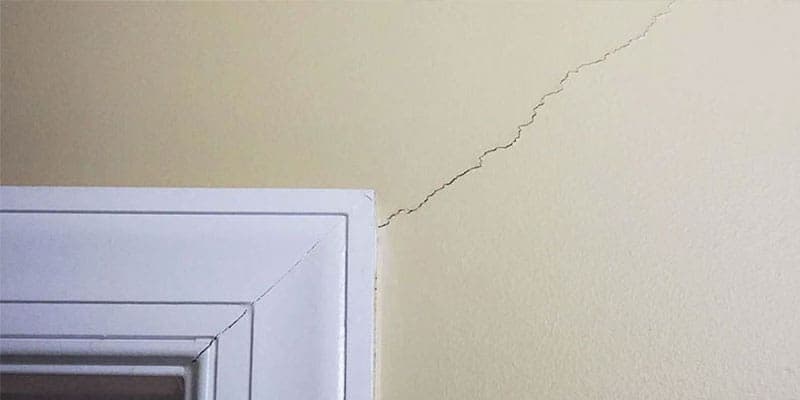
These are small, narrow cracks, usually vertical or hairline. They often come from concrete curing or minor settling.
Budget tip: These are usually the lowest cost repairs. A tube of sealant may be all you need.
Structural Cracks
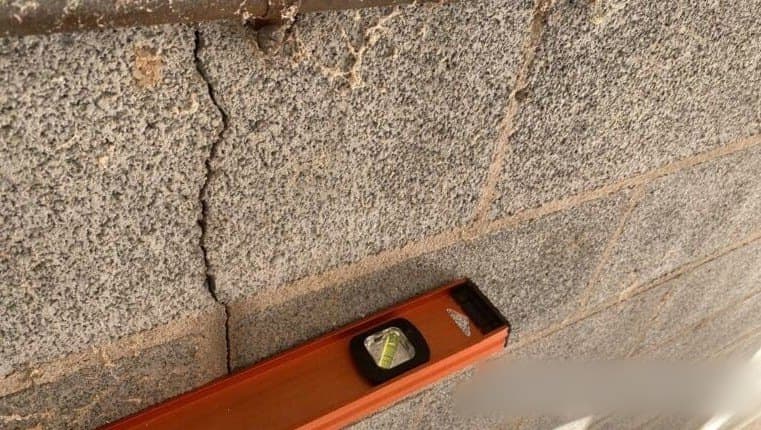
These include horizontal, wide or stair step cracks. They come from things like soil pressure, water intrusion or a shifting foundation.
Budget tip: These need more than sealant, but there are still ways to keep the repair cost under control.

What Are the Cheapest Foundation Crack Repair Methods?
A serious foundation problem needs a repair that fits it, but there are ways to keep the cost down and still get a reliable result. These methods run from lowest cost to more involved.
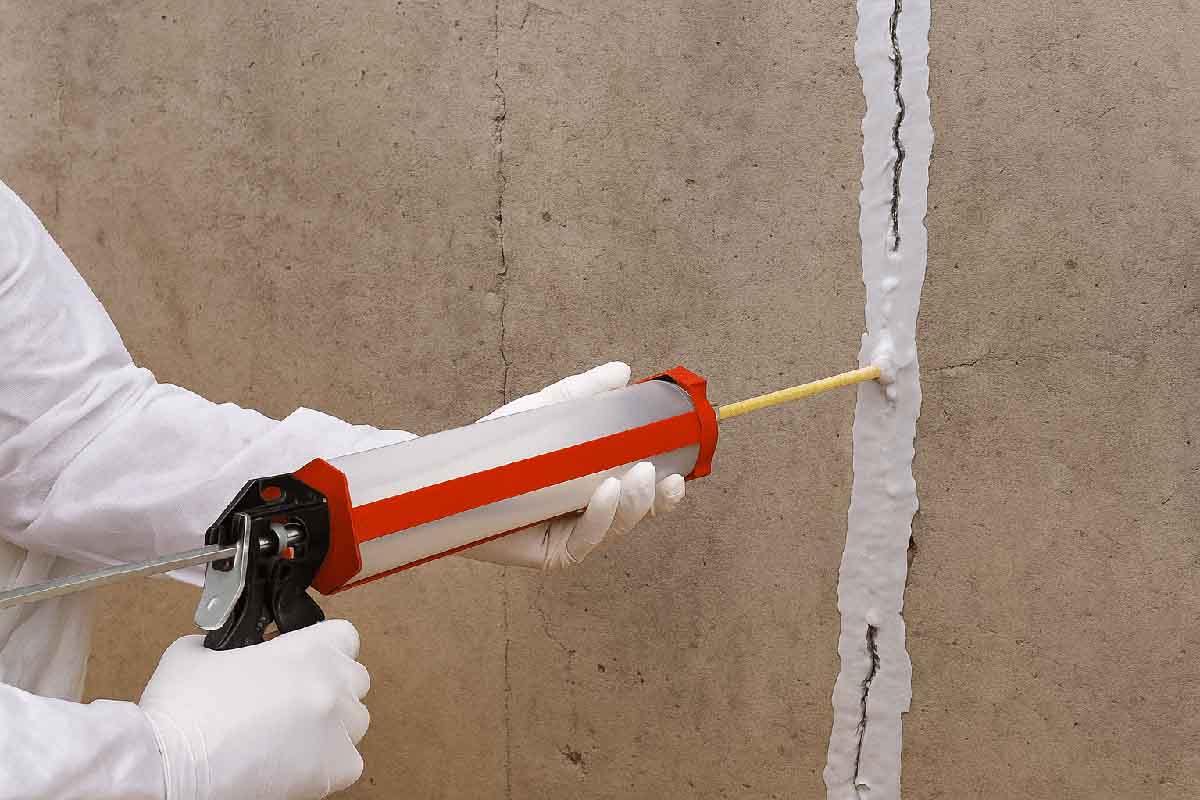
DIY Epoxy or Polyurethane Crack Injection
Best for: Hairline or narrow vertical cracks. Tools needed: An injection kit from a hardware store, safety gear and some patience.
How it works: These kits fill small cracks from the inside with a resin. Polyurethane is flexible and suits cracks that leak. Epoxy cures hard and suits dry cracks.
Pros:
- Low cost and fairly easy
- Can seal minor water seepage through the crack
- Good for small cracks that are not structural
Cons:
- Does not address the cause, such as settling or soil pressure
- Not for structural damage
- The crack can reopen if the wall keeps moving
Our take: For a crack as thin as a pencil line, a kit is one option. If the wall is moving, sealing alone will not stop it.

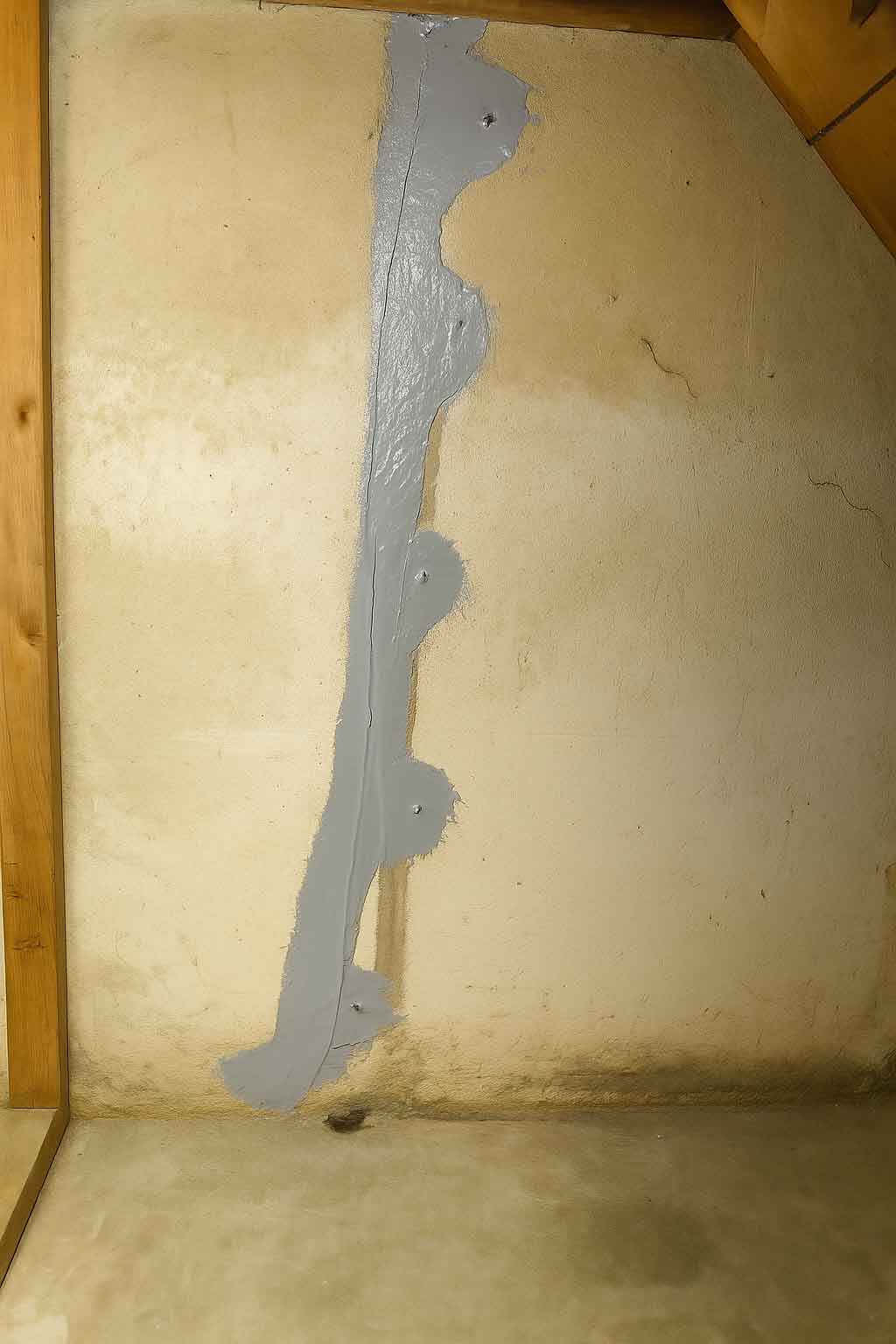
Waterproofing Paint or Sealant on the Wall
Best for: Damp spots on exposed foundation walls. How it works: A thick waterproof coating on the inside face of the wall helps keep moisture from seeping through.
Pros:
- A simple weekend project
- Helps with a damp basement
- Pairs well with other interior fixes
Cons:
- Treats the symptom only
- Does not stop deeper cracking
- Not a fix for foundation movement
Our take: A coating helps with dampness, but it does not change what is happening in the wall.
Interior Drainage or Vapor Barriers
Best for: Homes with recurring water near minor cracks. How it works: Interior drainage carries water that reaches the wall to a sump, and a vapor barrier helps control moisture. It is not crack repair on its own, but it helps keep water from working on the crack.
Pros:
- Helps relieve water pressure on the wall
- Helps control basement moisture
- Can be combined with crack sealing
Cons:
- Does not fix foundation movement
- May mean lifting flooring or working in the crawl space
Our take: Water often makes cracks worse, so controlling it is one part of a repair.

Carbon Fiber Reinforcement Straps
Best for: Walls with early horizontal or stair step cracks. How it works: Thin carbon fiber reinforcement straps are bonded to the wall to help keep it from bowing or moving further.
Pros:
- Installed from inside the basement
- Reinforces the wall
- Low profile once installed
Cons:
- Works only if the wall has not moved too far
- Best installed by a professional
Our take: Carbon fiber is light and strong, and it is installed to help keep a wall from moving further. Warranty terms and their conditions are on our warranties page.
Targeted Piering
Best for: Settling foundations with visible cracks or sagging. How it works: Helical or push piers reach more stable soil to support the foundation.
Pros:
- Supports the foundation on more stable soil
- Helps stabilize the area against further settling
- Can often lift a settled foundation back toward level
Cons:
- A larger repair than the options above
- Not a DIY option
How Much Does Foundation Crack Repair Cost?
The cost of a crack repair depends on the crack’s length and type, the repair method, and whether the crack comes from movement that needs stabilization first. For repairing a foundation crack, our inspector explains the price in a written estimate after a free inspection.
There is no set price for a crack repair, because the method and the cause behind the crack set the work. For a ballpark figure before an inspection, try our foundation cost calculator.
How Can You Save Money Without Sacrificing Quality?
Even when you need a professional repair, there are ways to control the cost.
Get a Free Inspection First
HydroHelp911 offers free foundation inspections, so you know what the crack needs before you spend anything.
Talk Through Your Options
If the budget is tight, tell us. We will walk through your options with you.
Ask About Financing
We offer financing, so the repair can fit your budget.
Does Lower Cost Mean Lower Quality?
A horizontal crack in a wall needs more than caulk. A lower cost repair is about finding the right fix for the problem, not the biggest or most expensive one.
What Are the Signs a Crack Needs a Professional Look?
These signs point to a professional inspection:
- It is horizontal or stair stepped
- You notice bowing walls or sticking doors
- Water is leaking through the crack
- The crack is getting bigger over time
Common Questions About Foundation Crack Repair Cost
How Much Does Foundation Crack Repair Cost?
It depends on the crack’s length and type, the repair method and whether the crack is a sign of movement that needs stabilization first. There is no set price for a crack repair. Your free inspection gives you a written estimate.
Can I Seal a Foundation Crack Myself?
A thin, dry crack that is not moving can sometimes be sealed with a store bought injection kit. A crack that is horizontal, growing or leaking, or a wall that is bowing, needs an inspection first, because sealing does not address movement.
Does HydroHelp911 Offer Financing?
Yes. We offer financing plans, and your inspector can walk you through them with your written estimate.
Schedule a Free Foundation Crack Inspection
Whether you have a hairline crack or a leaning wall, HydroHelp911 will explain what it needs, with no pressure. Schedule your free foundation inspection.
Next Step
Schedule a Free Inspection
Call or fill out our quick online form. We'll book a convenient time to assess your home at no cost.
Learn more about our foundation repair services.
Found this useful? Share it with someone working on their home.
Written by
Cory Parks
Owner & President, HydroHelp911
Cory Parks founded HydroHelp911 and leads its structural and moisture repair work for homeowners across North and South Carolina, from the clay soils of the Piedmont to the saturated, sandy ground along the coast.
More about CoryGet a Free Inspection
Two ways to start. Both are free, with no obligation.
Pick your own day in our calendar. You save $250* if you go ahead with the work.
Send a short form, and our office will call to book a time that suits you.
*For new customers who book online through our website and then sign a contract.